
64 Best Luxury Hotels in Vienna
Austria
Imperial grandeur meets coffeehouse culture in this musical capital of Europe.
Prices and availability confirmed by Booking.com · No booking fees

The Leo Grand
1 Bauernmarkt
Why we picked it · For Bauernmarkt and Graben, a polished luxury base on the old-town grid.
9.3· 3,157 reviews
Check rates
ARTIST Boutique Hotel
Buchfeldgasse 8
9.3· 4,673 reviews
Check rates
RAFAEL KAISER - Premium Apartments City Centre - Contactless Check-In
Glockengasse 1
9.3· 2,117 reviews
Check rates
OLIVER urban I Apartments with self check-in
Gumpendorfer Straße 126
9.2· 3,956 reviews
Check rates
Der Wilhelmshof
Kleine Stadtgutgasse 4
9.2· 3,173 reviews
Check rates
Numa Vienna Terra
60 Gumpendorfer Straße
9.1· 2,824 reviews
Check rates
Boutique Hotel Das Tigra
Tiefer Graben 14 - 20
Why we picked it · For Tiefer Graben, where a quieter street still keeps Herrengasse and the Hofburg close.
9.1· 3,839 reviews
Check rates
Zoku Vienna
6 Perspektivstraße
9.1· 5,912 reviews
Check rates
Hotel Am Parkring
Parkring 12
Why we picked it · For a Ringstrasse base opposite Stadtpark, good for guests who want the eastern edge of the centre.
9.1· 3,387 reviews
Check rates
Henriette Stadthotel Vienna
Praterstraße 44
9.1· 2,320 reviews
Check rates

Hotel Stefanie - VIENNA'S OLDEST HOTEL
Taborstraße 12
9.1· 4,954 reviews
Check rates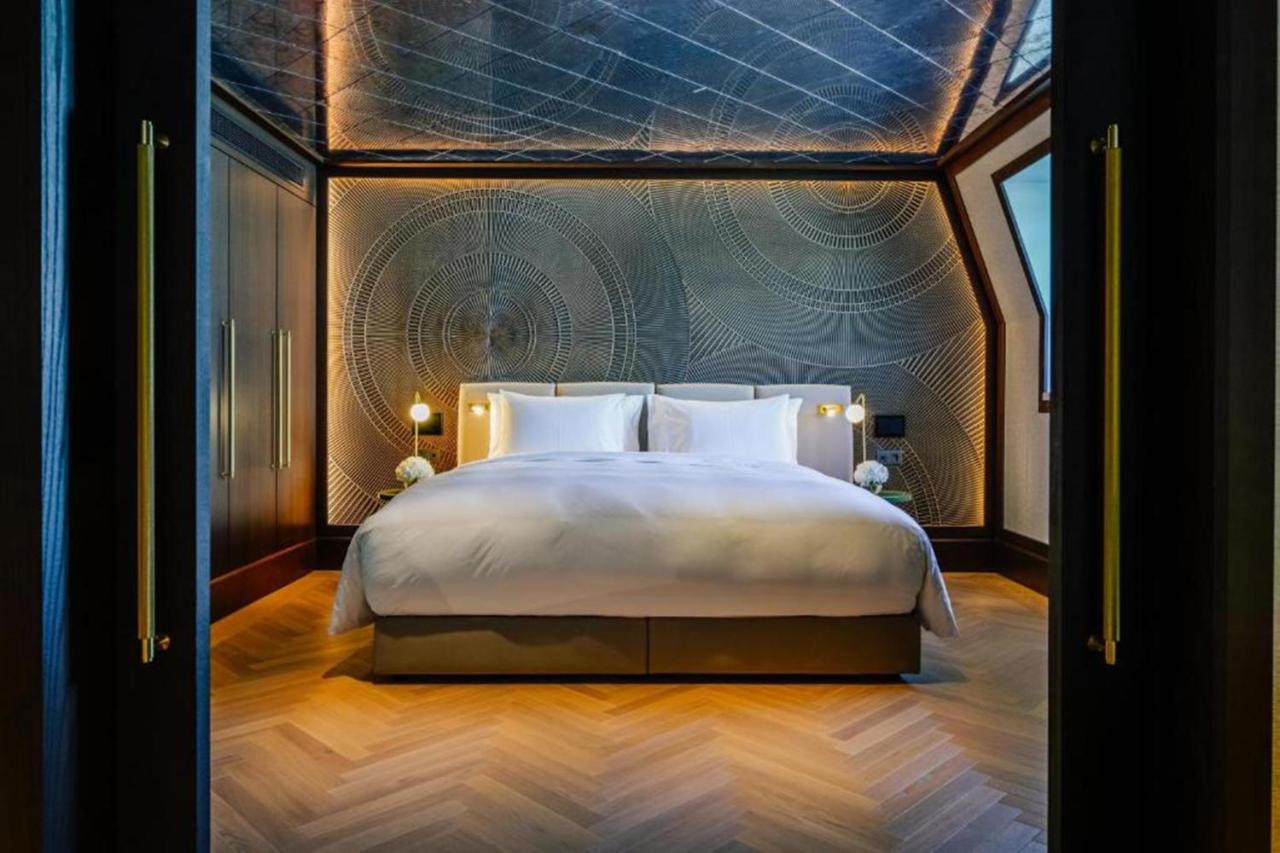
Almanac Palais Vienna
Parkring 14-16,
Why we picked it · For Parkring, a grander stay on the Ringstrasse side of Innere Stadt.
9.0· 2,063 reviews
Check rates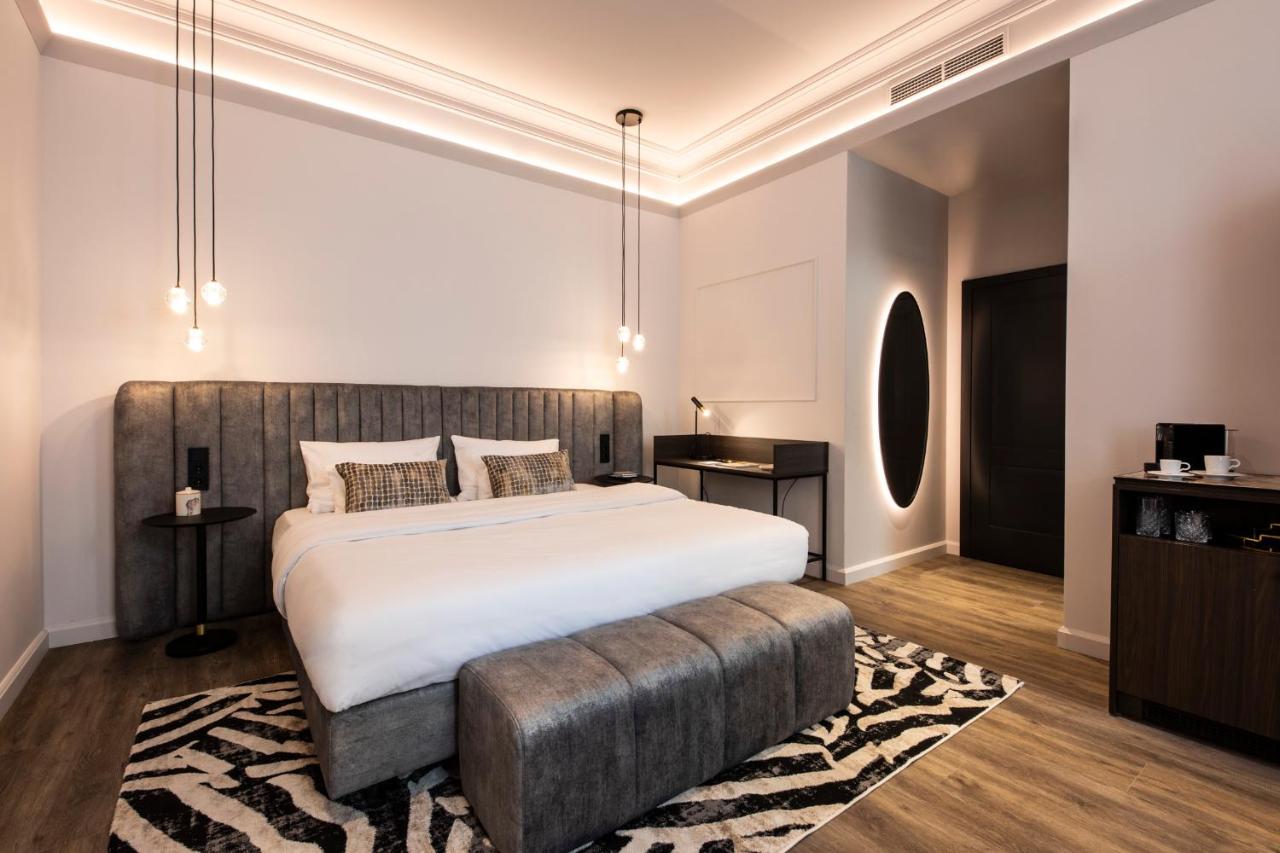
O11 Boutique Hotel Vienna
Opernring 11
Why we picked it · For Opernring, best when the Vienna State Opera is the anchor of the trip.
9.0· 2,627 reviews
Check rates
Rioca Vienna Posto 1
109 Dresdner Straße
9.0· 8,402 reviews
Check rates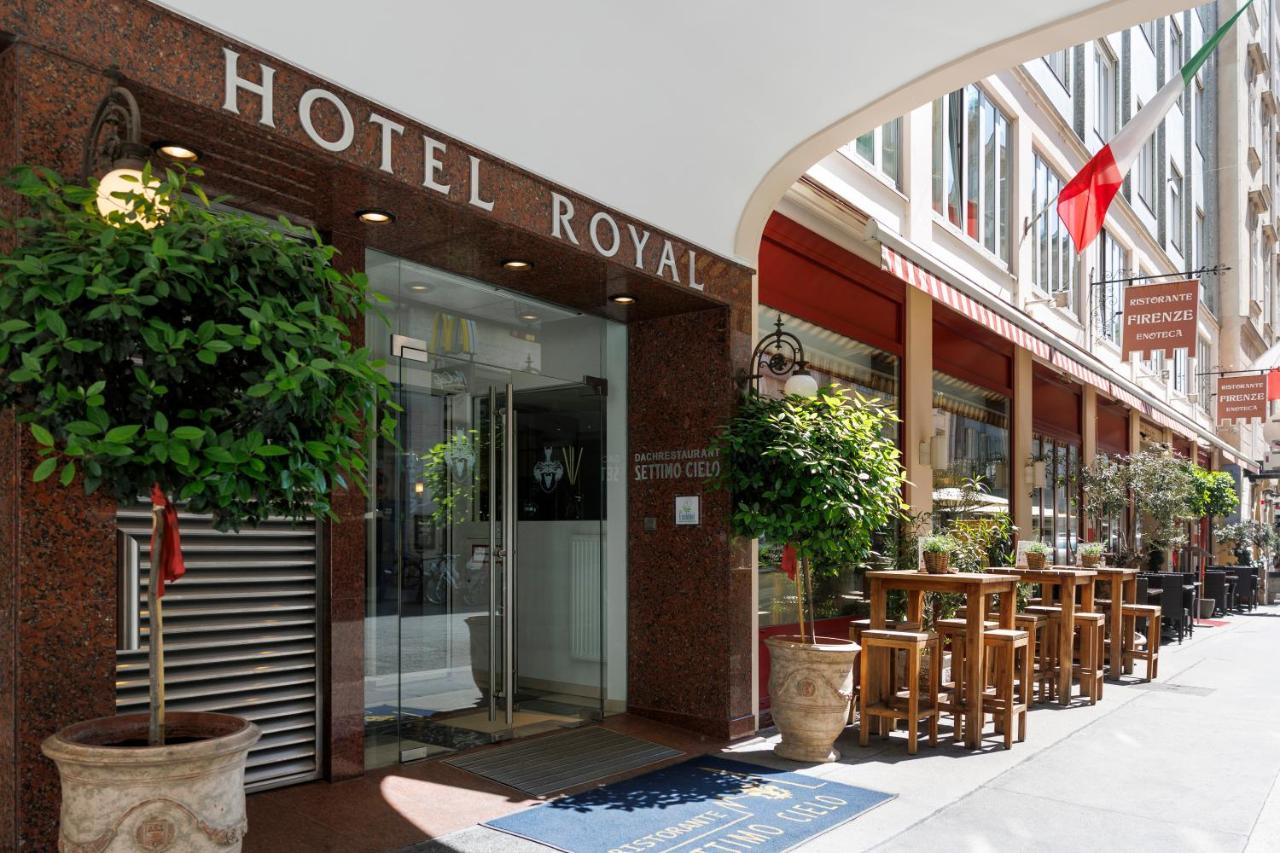
Hotel Royal
Singerstraße 3
Why we picked it · For Singerstraße, right by St.
9.0· 3,502 reviews
Check rates
The Weekend Hotel
Halbgasse 3-5
9.0· 7,761 reviews
Check rates
Hotel Gilbert
Breite Gasse 9
9.0· 3,478 reviews
Check rates
Hotel Erzherzog Rainer
Wiedner Hauptstr. 27-29
9.0· 3,956 reviews
Check rates
Somerset Schönbrunn Vienna
10 Breitenfurter Straße
9.0· 7,184 reviews
Check rates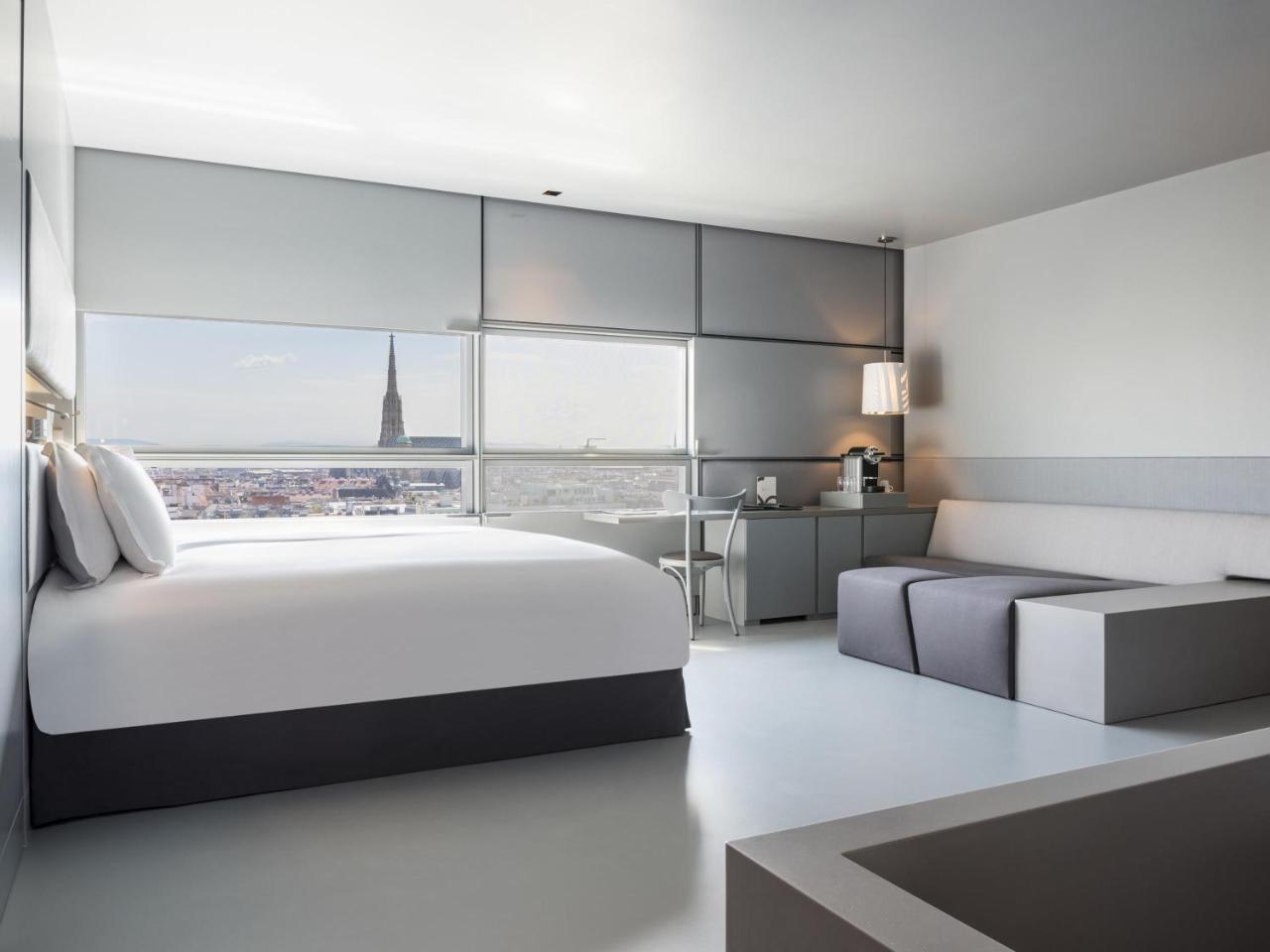
SO/ Vienna
Praterstraße 1
8.9· 4,377 reviews
Check rates
Hotel Secession an der Oper
Getreidemarkt 5
8.9· 4,447 reviews
Check rates
Hotel Domizil
Schulerstraße 14
Why we picked it · For Schulerstraße, a straightforward old-town address close to Stephansplatz.
8.9· 4,424 reviews
Check rates
Hotel Capricorno
Schwedenplatz 3-4
Why we picked it · For Schwedenplatz, useful for the Danube Canal side and quick metro access.
8.9· 2,432 reviews
Check ratesWhy stay in Vienna
Where to stay in Vienna
Innere Stadt
Innere Stadt is the old centre around St. Stephen’s Cathedral, Graben, Kärntner Straße, the Hofburg, the State Opera, Albertina and the Ringstrasse. It suits first-time visitors, opera trips, museum-heavy weekends and anyone who wants to walk rather than plan connections.
Best for: first visits and walkable sightseeing
Trade-off: It is usually expensive and visitor-facing. Some streets feel quiet after shops close, while areas near Schwedenplatz can be noisy late.
Read the Innere Stadt guideLeopoldstadt
Leopoldstadt sits east of the Danube Canal and brings together the Prater, the Riesenrad, Augarten, Karmelitermarkt and residential streets. It suits families, runners, longer stays and travellers who want parks and restaurants while staying close to the centre.
Best for: families, parks and longer stays
Trade-off: The district is large, so the exact location matters. Bases far from the canal or U-Bahn are less handy for old-town sightseeing.
Landstraße
Landstraße is a calmer central district with Belvedere Palace, the Hundertwasserhaus and useful transport around Wien Mitte–Landstraße. It suits travellers who want easier airport links, palace time and a more residential feel than the old town.
Best for: Belvedere and practical transport
Trade-off: It has less concentrated nightlife and old-town atmosphere than the Innere Stadt, and the feel changes noticeably from one sub-area to another.
Wieden
Wieden sits south of the centre, close to Karlsplatz, Karlskirche, Naschmarkt and the Freihausviertel. It has restaurants, cafés, bars, galleries and second-hand shops, so it works for couples, students and food-focused visitors who still want central access.
Best for: food, cafés and easy central access
Trade-off: Some streets are lively at night, and there are fewer headline sights than in the old centre, so plan on walking or using the U-Bahn.
Mariahilf
Mariahilf centres on Mariahilfer Straße, the main shopping boulevard, with quick links to the MuseumsQuartier, Westbahnhof and neighbouring Neubau. It suits shoppers, younger travellers and guests who want central convenience without paying Innere Stadt rates.
Best for: shopping and mid-range stays
Trade-off: The main commercial streets can be busy. The district feels less historic and less restful than Josefstadt or quieter parts of Leopoldstadt.
Neubau
Neubau is the dense creative quarter around the MuseumsQuartier, Leopold Museum, mumok, galleries, independent shops and busy cafés. It suits returning visitors, design-minded travellers and people who prefer restaurants and neighbourhood streets to grand hotel avenues.
Best for: culture, design and eating out
Trade-off: It is lively rather than calm, and accommodation can cost more than in Mariahilf, though usually less than the most central old-town addresses.
Josefstadt
Josefstadt is a small, quieter district behind City Hall, with Biedermeier streets, cafés, parks, theatres, wine bars and the Piarist Church of Maria Treu. It suits couples, culture lovers and repeat visitors who want calm evenings near the Ringstrasse.
Best for: quiet culture close to the centre
Trade-off: There are fewer major sights and less late-night energy than in Neubau or Wieden, so it is better for sleep than spontaneity.
Our picks in Vienna
- The Leo Grand
Choose The Leo Grand for Bauernmarkt and Graben, a polished luxury base on the old-town grid.
- Boutique Hotel Das Tigra
Choose Boutique Hotel Das Tigra for Tiefer Graben, where a quieter street still keeps Herrengasse and the Hofburg close.
- ARTIST Boutique Hotel
ARTIST Boutique Hotel puts you in elegant Josefstadt with air-conditioned rooms, long breakfast hours and parking, suiting theatre-goers and guests who want quiet streets near City Hall.
- Der Wilhelmshof
Der Wilhelmshof pairs a classical façade with a modern family-run feel, a garden, terrace and quiet side-street setting near the Riesenrad and Praterstern transport hub.
- Zoku Vienna
Zoku Vienna feels made for remote workers and longer city stays, with loft-style rooms, kitchens, large work tables, a terrace, restaurant, fitness space and meeting facilities.
- Hotel Stefanie - VIENNA'S OLDEST HOTEL
Hotel Stefanie - VIENNA'S OLDEST HOTEL gives history-minded travellers a family-run stay with courtyard-garden views in some rooms, Austrian dining, a garden restaurant and a bar near Schwedenplatz.
Getting there
Vienna has one main passenger airport, Vienna International Airport, also called Flughafen Wien-Schwechat or VIE. The fastest rail choices are the City Airport Train to Wien Mitte–Landstraße in 16 minutes and ÖBB Railjet or Intercity trains to Wien Hauptbahnhof in 15 minutes. REX 7 also runs to Wien Hauptbahnhof, while the S-Bahn S7 route is currently shortened to St. Marx; continue from there by tram 18 or 71, or bus 74A. Vienna Airport Lines are useful for direct buses: VAL 1 serves Wien Hauptbahnhof and Wien Westbahnhof, VAL 2 runs to Morzinplatz and Schwedenplatz, and VAL 3 goes towards Donauzentrum. From Wien Hauptbahnhof, U1 is the key line for Karlsplatz and Stephansplatz. Wien Mitte connects to U3 and U4, Westbahnhof to U3 and U6, and Praterstern to U1, U2 and S-Bahn. In town, walk the Innere Stadt and use U-Bahn, trams and buses for longer hops. Core-zone tickets cover city public transport, but not the airport or CAT; for visitors, compare 24 Hours VIENNA, 7 Days VIENNA and the Vienna City Card.
What to see
Hofburg
The Hofburg is the former Habsburg imperial residence and contains the Sisi Museum, Imperial Apartments, Austrian National Library, Imperial Treasury and Spanish Riding School. It anchors many Innere Stadt itineraries.
St. Stephen’s Cathedral
St. Stephen’s Cathedral is Vienna’s principal Gothic church, known for its tiled roof and 136-metre south tower. Stephansplatz is also one of the most useful U-Bahn stops for old-town walking.
Belvedere
Belvedere is a Baroque palace complex in Landstraße with Austrian art, including Gustav Klimt’s The Kiss. It pairs well with the Hauptbahnhof area or a tram ride along the Ring.
Schönbrunn Palace
Schönbrunn Palace is the former Habsburg summer residence in Hietzing and a UNESCO World Heritage site. Its park includes the Gloriette, Palm House and formal gardens.
MuseumsQuartier
MuseumsQuartier in Neubau brings together major cultural stops including the Leopold Museum and mumok. Use Volkstheater or MuseumsQuartier stations and leave time for nearby cafés and galleries.
Prater and Riesenrad
The Prater is a large public park in Leopoldstadt with long paths and the Riesenrad, the Giant Ferris Wheel dating from 1897. Praterstern is the handy transport hub.
Frequently Asked Questions About Vienna
Similar Destinations


Browse by Feature in Vienna
Find hotels with the amenities that matter most