Le Marais is Paris with its layers still visible. Around Rue des Francs Bourgeois, Rue Vieille du Temple and Rue des Rosiers, medieval street lines sit beside hôtels particuliers, boutiques, galleries and cafés. The district spans the 3rd and 4th arrondissements, and its story runs from former marshland to aristocratic quarter, Jewish Pletzl, working district, art address and LGBTQ+ social scene. It can feel very polished near Place des Vosges, but Rue de Bretagne and Marché des Enfants Rouges keep it grounded because they still serve residents as well as visitors. The best way to read it is slowly, by turning from Hôtel Salé to Hôtel Carnavalet, then into a courtyard or a narrow side street.
Stay in Le Marais if you like walking more than commuting, and if your Paris days are likely to involve Musée Picasso Paris, Musée Carnavalet, Centre Pompidou, Rue des Rosiers and cafés on Rue Vieille du Temple. It suits couples, solo travellers, museum people, design shoppers and return visitors who want central Paris without the grand axis feel of the west. Look elsewhere if you need very quiet nights, large new build rooms, easy driving, or instant Eiffel Tower views. Rue de la Verrerie, Rue Vieille du Temple and parts of Rue des Rosiers can be lively at night, and historic buildings around Rue des Francs Bourgeois can mean compact rooms or awkward lifts.
For transport, think edges and short walks. Saint Paul on Line 1 is the most useful stop for Rue des Rosiers and Place des Vosges. Hôtel de Ville on Lines 1 and 11 works well for the Seine, Hôtel de Ville and Centre Pompidou. Rambuteau on Line 11 is handy for the Beaubourg side, while Arts et Métiers on Lines 3 and 11 serves the north west. Filles du Calvaire and Saint Sébastien–Froissart on Line 8 are better for Rue de Bretagne and the Haut Marais. Bastille on Lines 1, 5 and 8 covers the eastern approach, and République brings Lines 3, 5, 8, 9 and 11 to the northern edge.
Nearby sights are unusually dense, so you can plan days by mood rather than by transport. Place des Vosges gives you the classic formal square, with Maison de Victor Hugo close by. Musée Carnavalet – Histoire de Paris and Musée National Picasso Paris make the strongest museum pairing inside the district. Musée d’art et d’histoire du Judaïsme and Mémorial de la Shoah add essential context around Hôtel de Saint Aignan and Rue Geoffroy l’Asnier. To the west, Centre Pompidou and Place Georges Pompidou pull you towards modern art. South of Hôtel de Ville, the Seine and Île de la Cité put Notre Dame de Paris, Sainte Chapelle and the Conciergerie within an easy city walk.
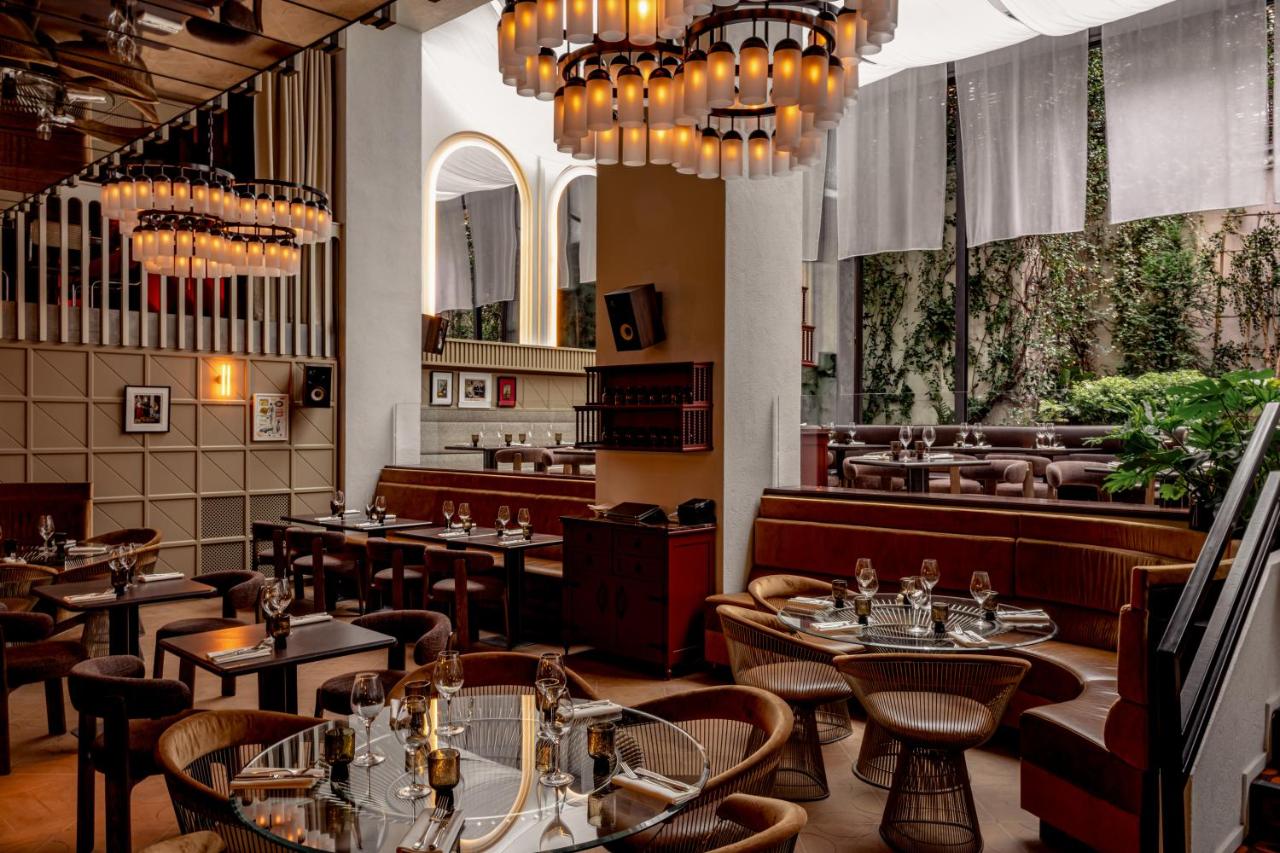
Food is one of the clearest reasons to stay here. On Rue des Rosiers, L’As du Fallafel and Chez Marianne are the old quick stop anchors of the Pletzl. Miznon on Rue des Écouffes brings the same area into a newer street food register. On Rue Vieille du Temple, Breizh Café is the reliable crêpe and cider call, while La Belle Hortense at 31 Rue Vieille du Temple works for wine and books. Rue de Bretagne is better for grazing: Marché des Enfants Rouges at 39 Rue de Bretagne has Les Enfants du Marché, Le Traiteur Marocain and Chez Alain Miam Miam. Add Café des Musées at 49 Rue de Turenne, Parcelles on Rue Chapon, Candelaria on Rue de Saintonge and Little Red Door on Rue Charlot, and you have enough names for several meals without leaving the district.
The easiest months for Le Marais are April–June and September–October, when walking Rue des Francs Bourgeois, Rue de Bretagne and Place des Vosges is more pleasant than in the busiest summer stretch. July–August brings the heaviest visitor concentration, especially around Centre Pompidou and Rue des Rosiers. Late June can be busy around Paris Pride, and Paris Fashion Week can tighten hotel choice in September and October. November–March is quieter and works well for Musée Carnavalet, Musée Picasso Paris, Carreau du Temple and Marché des Enfants Rouges. Watch your bag on the Métro, around Centre Pompidou and in markets, and if sleep matters, ask away from Rue de la Verrerie or choose the Haut Marais near the 3rd arrondissement.
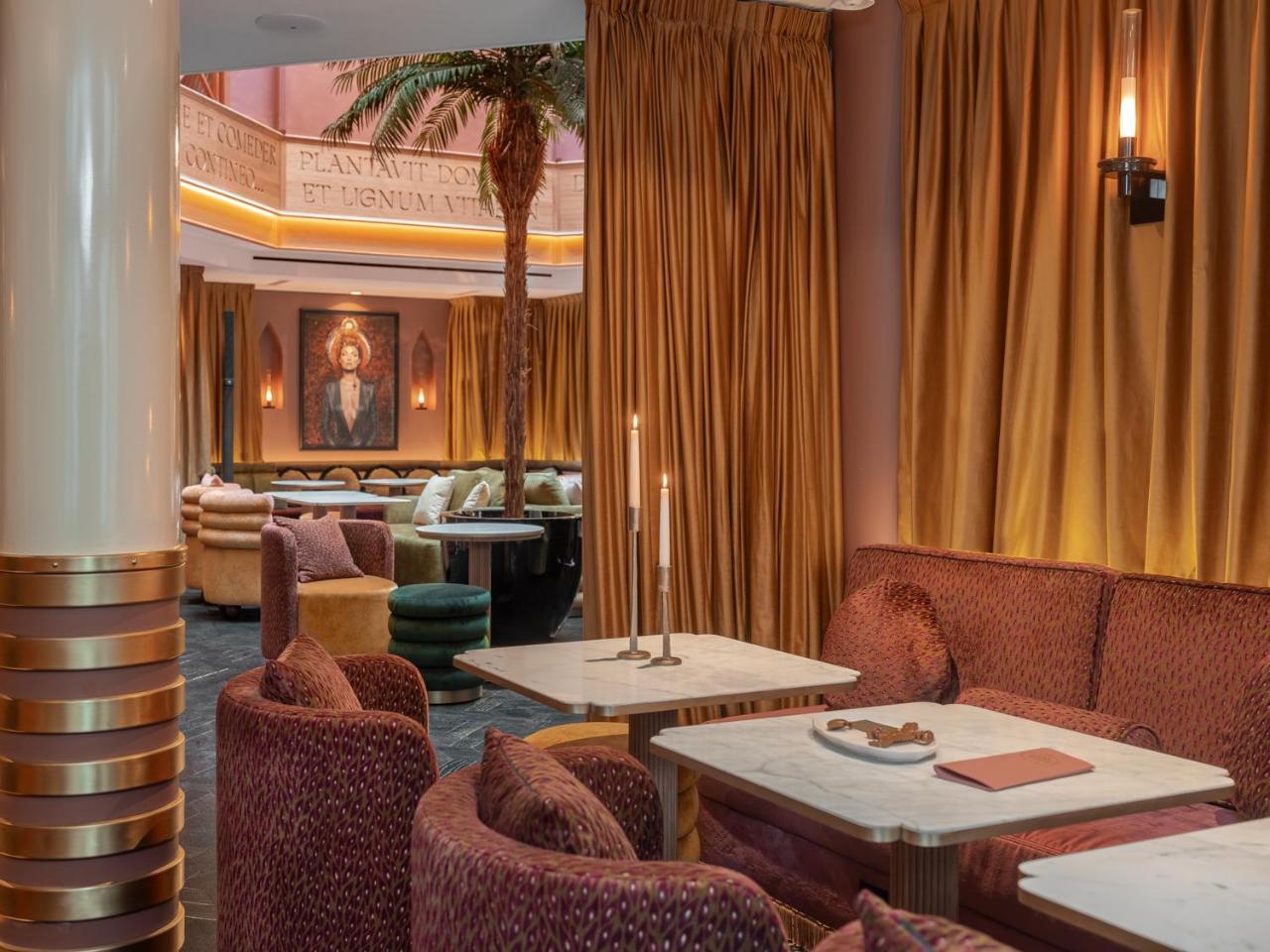
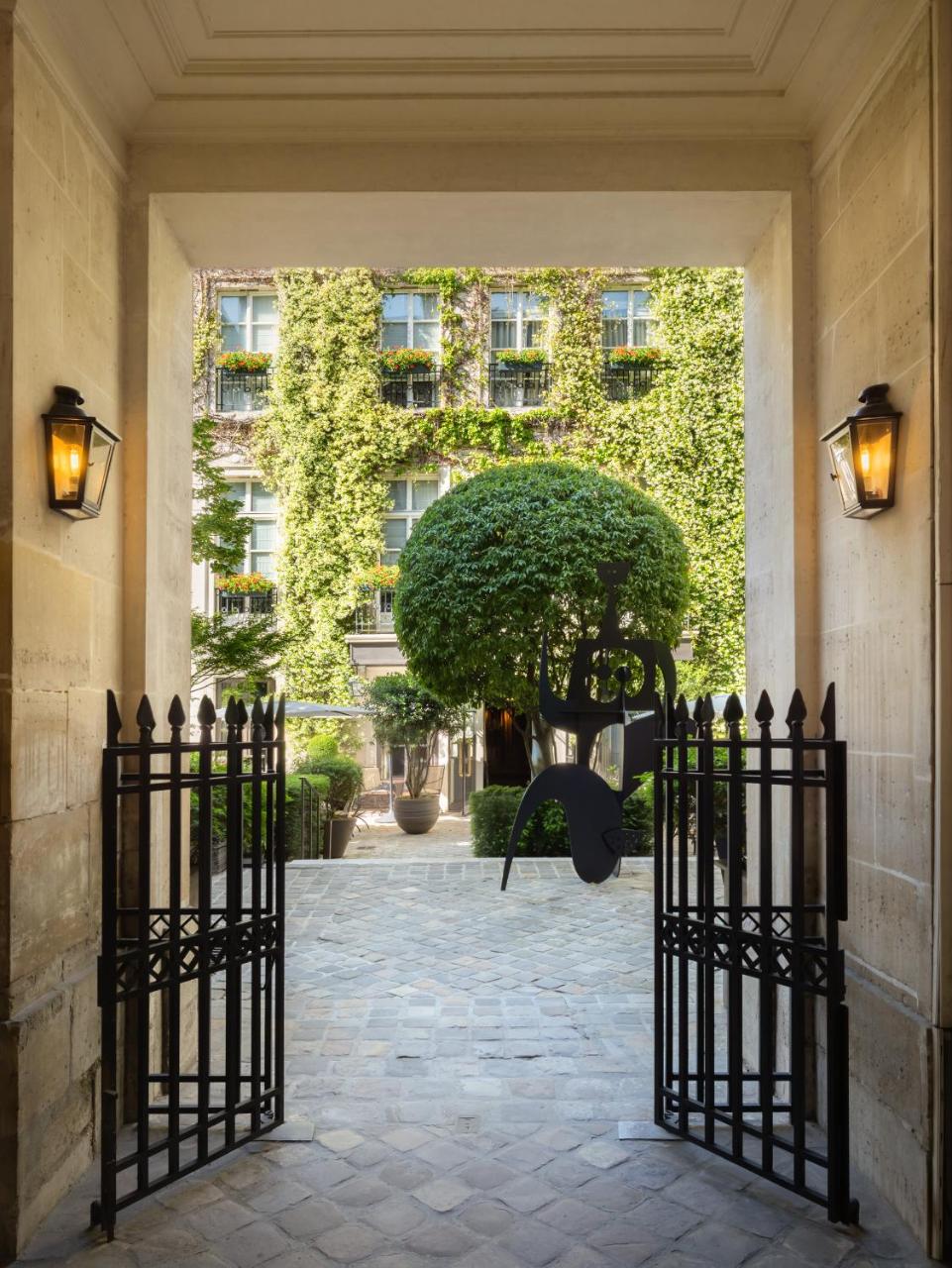
Choose Le Grand Mazarin for Rue de la Verrerie, a central address suited to travellers who want quick access to Hôtel de Ville and the southern Marais. Choose Boudoir des Muses for Rue de Saintonge, useful for the Haut Marais, galleries and a quieter north side rhythm. Choose Hôtel Jules & Jim for rue des Gravilliers, between Centre Pompidou and Place des Vosges. Choose Hôtel Suzie Blue for rue Commines, close to Place des Vosges without sitting on the square itself. Choose Le Pavillon de la Reine & Spa, Place des Vosges for the rare privilege of sleeping directly on Place des Vosges. Choose Experimental Marais for Rue du Temple, a strong base for Arts et Métiers, Rue de Bretagne and Centre Pompidou. Choose Villa Beaumarchais for rue des Arquebusiers, a side street option near Musée Carnavalet.