The Gothic Quarter is the old core of Ciutat Vella, framed broadly by La Rambla, Via Laietana, Ronda de Sant Pere and the Mediterranean waterfront. It is not a neat preserved medieval stage set. Around Carrer de la Tapineria, Carrer de la Palla and Plaça del Rei, Roman Barcino, medieval streets, later restorations and modern commerce sit on top of one another. The notes do not give a clear resident profile, so do not read the area as one kind of neighbourhood. The reliable picture is mixed: civic institutions on Plaça Sant Jaume, churches near Barcelona Cathedral, museums, shops, restaurants, bars, hotels and visitors all sharing a tight old fabric.
Stay around Barcelona Cathedral, Plaça del Pi or Carrer del Bisbe if you want Barcelona close up and on foot. This suits first timers, history led travellers, museum goers and people who like short walks between Plaça del Rei, El Call and La Rambla. Look elsewhere if you need quiet nights, easy kerbside drop offs or broad streets. The lanes around Plaça Reial, Carrer de Ferran and Carrer dels Escudellers can be loud late, and the narrow stone streets can be awkward with wheeled luggage. For a calmer base, you may prefer to sleep outside the tightest lanes and come in for Barcelona Cathedral and Plaça Sant Jaume by day.
Getting around is simple once you stop thinking like a driver. Liceu on L3 puts you by La Rambla and Plaça Reial; Jaume I on L4 is the useful stop for Barcelona Cathedral, Plaça del Rei and Plaça de Sant Jaume. Drassanes on L3 works for the Columbus Monument, Port Vell and the lower Rambla, while Catalunya on L1 and L3 serves Plaça de Catalunya and the northern edge. Estació de França is the closest major conventional rail station for the eastern side, and Barcelona Sants connects by L3 towards Liceu or Drassanes. Inside the quarter, walking usually beats changing trains.
The nearby sights are dense, and the best ones reward slowing down. MUHBA Plaça del Rei explains the Roman city beneath the medieval square, while MUHBA Temple d’August preserves columns from the Roman temple. Carrer del Bisbe gives you the Pont del Bisbe between the Palau de la Generalitat and Casa dels Canonges, but remember it is neo Gothic rather than medieval. Plaça de Sant Felip Neri is a quieter Baroque square with the Church of Sant Felip Neri, and Plaça de Sant Just has the Basilica of Saints Just and Pastor. La Boqueria on La Rambla, Mercat Gòtic on Plaça de la Seu and Fira de Santa Llúcia on Avinguda de la Catedral add useful market texture.
For food, mix the old addresses with market stops. Can Culleretes on Carrer d’en Quintana is described in the notes as serving Catalan food since 1786. Els Quatre Gats on Carrer de Montsió, 3 brings modernista history into the route near Portal de l’Àngel. Bar La Plata on Carrer de la Mercè, 28 is a traditional tapas stop, while Bodega La Palma on Carrer de la Palma de Sant Just, 7 is the bodega I would mark for vermouth and small plates. Add Granja Dulcinea on Carrer de Petritxol for chocolate, Milk Bar & Bistro on Carrer d’en Gignàs for an all day café, and El Quim de la Boqueria inside La Boqueria when you want a counter meal on La Rambla.
For timing, April–May and late September–October are the safer bets for comfort around Barcelona Cathedral and La Rambla, with October usually the calmer choice. Sant Jordi on 23 April, Primavera Sound in late May or early June, and La Mercè in late September can raise demand. June–August is the hottest and most crowded stretch, especially when cruise passengers are in town. For any season, be early on Carrer del Bisbe and around Plaça del Rei, or come back after daytime crowds thin. Watch phones and bags on La Rambla, at crowded terraces and near street performances, and avoid ground floor rooms on Carrer dels Escudellers if sleep matters.
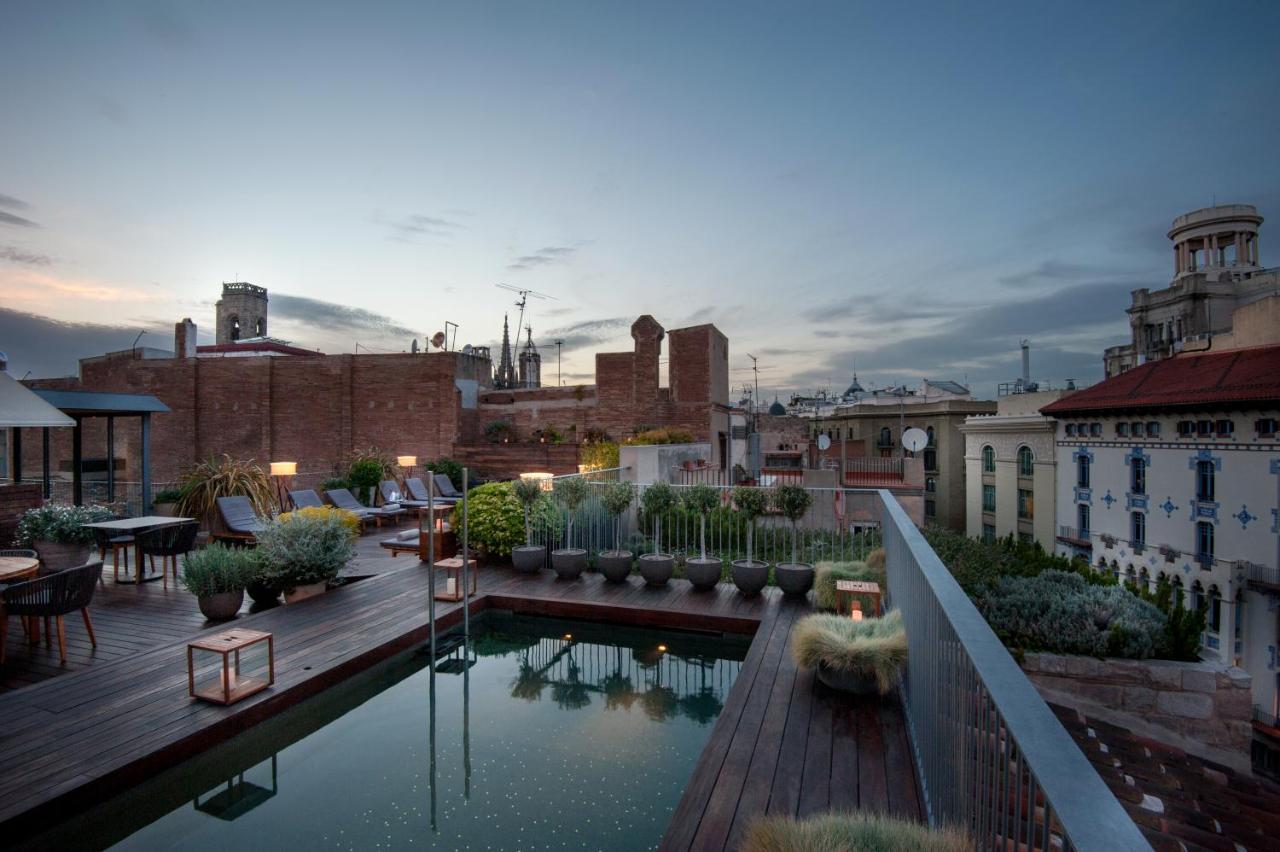
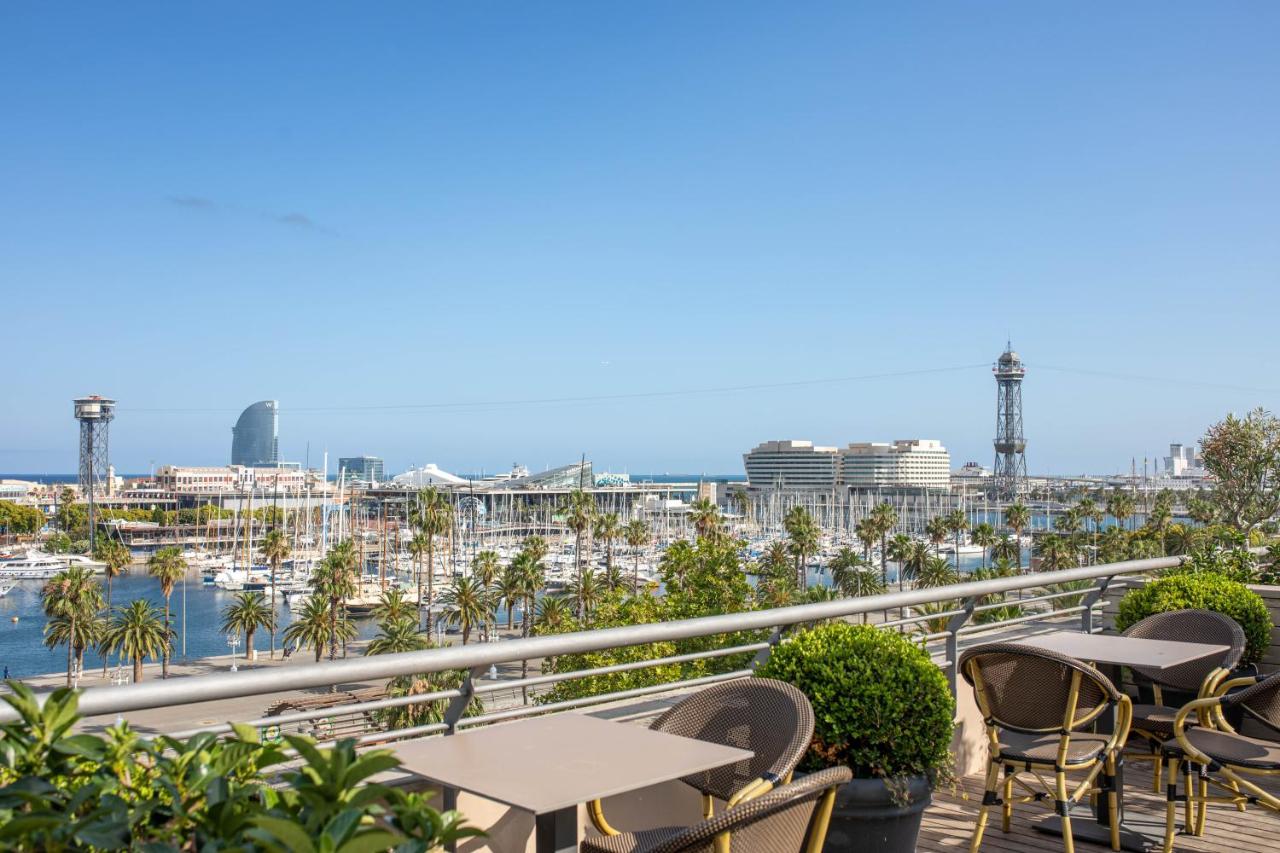
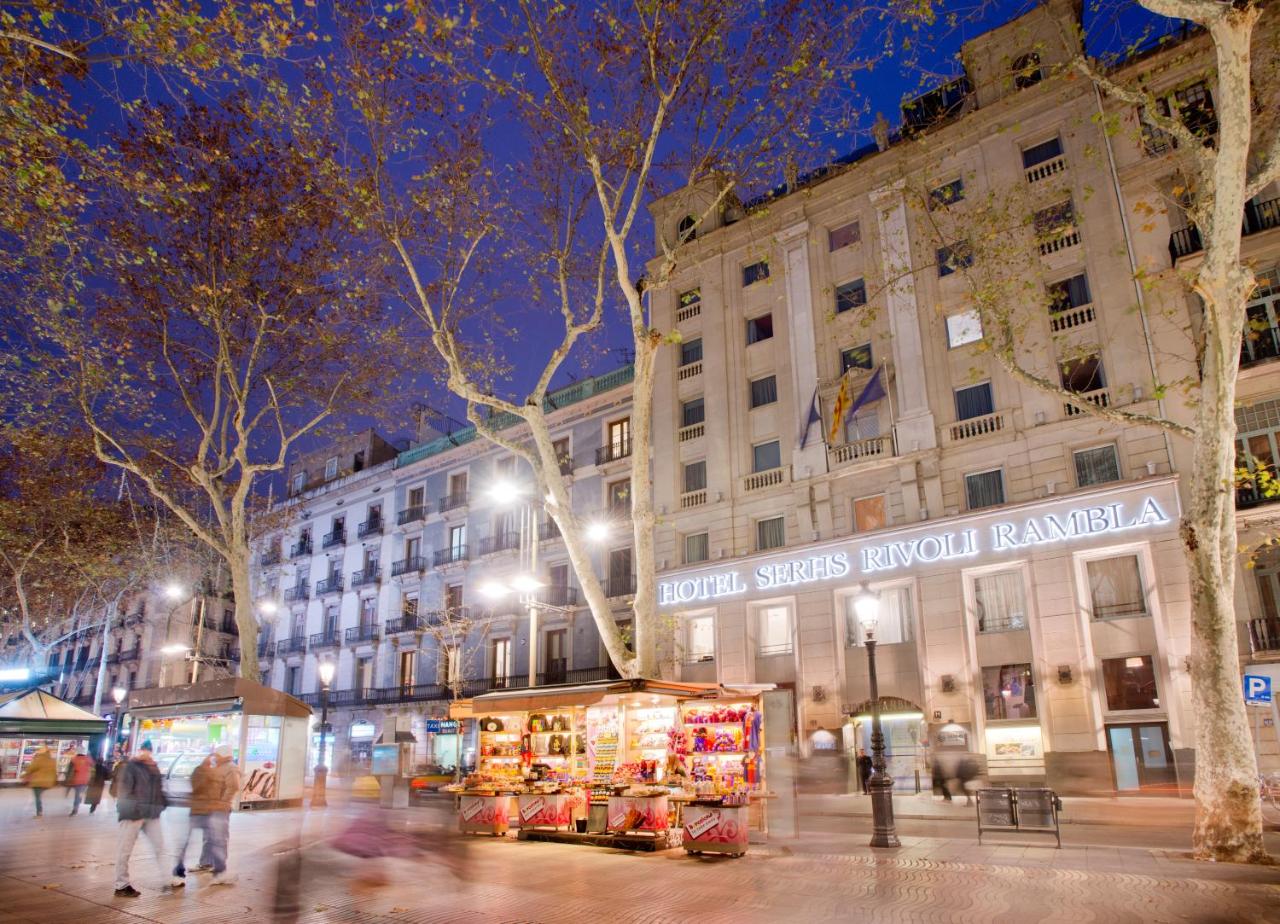
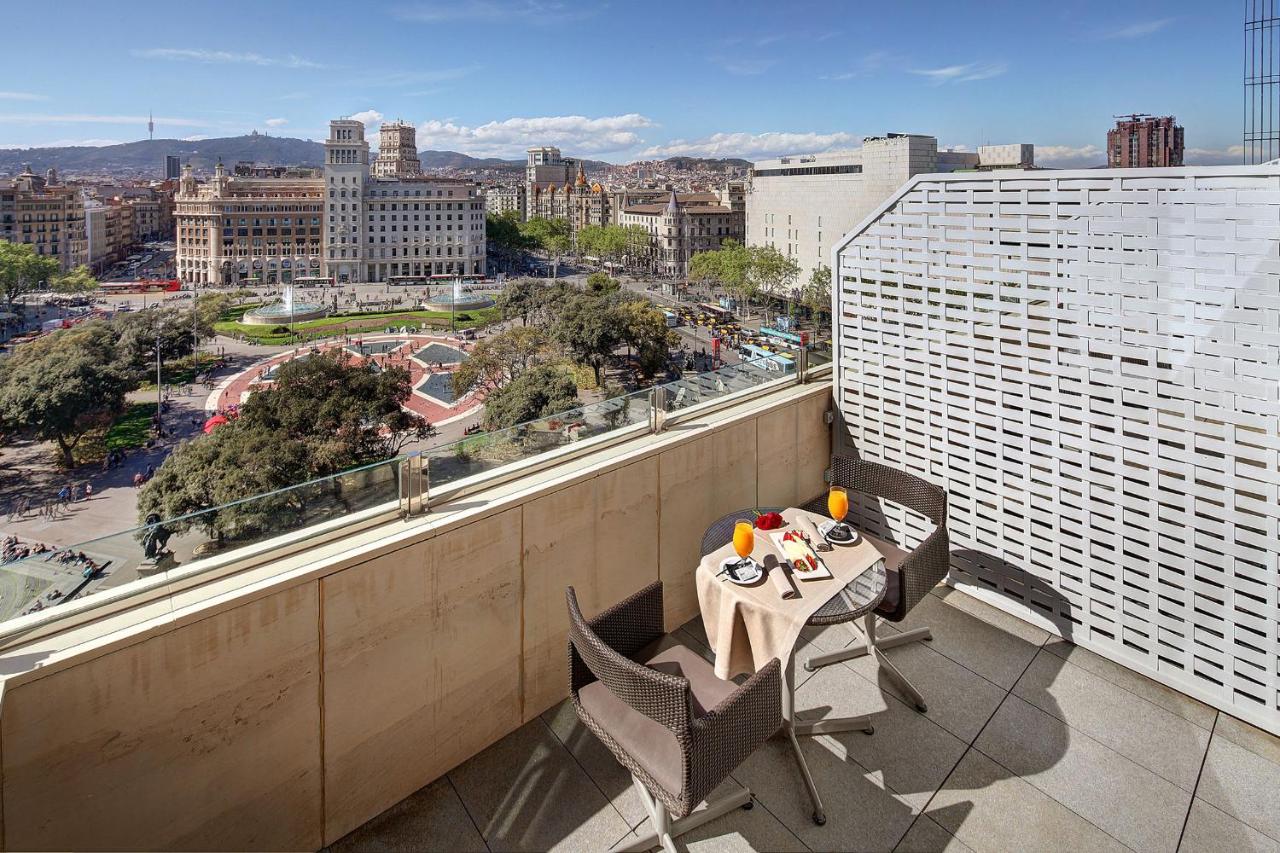
Choose Olivia Plaza Hotel for a polished base on Plaza de Catalunya, 19, right by the northern approach to La Rambla. Choose Hotel Barcelona Catedral 4 Sup for Capellans, close to Barcelona Cathedral and the tighter historic lanes. Choose Ohla Barcelona for Via Laietana, a strong edge of quarter position near Palau de la Música and the cathedral route. Choose Mercer Hotel Barcelona for Dels Lledo, where old building character and Roman wall proximity give the stay its point. Choose Lamaro Hotel Barcelona Preferred Hotels & Resorts Lifestyle Collection for Avinguda Catedral, directly opposite Barcelona Cathedral. Choose Duquesa de Cardona Hotel 4 Sup by Grup Duquessa for Passeig Colom and the waterfront side of the Gothic Quarter. Choose Citadines Ramblas Barcelona for Las Ramblas, 122, if an aparthotel set up matters more than boutique styling. Choose Hotel SERHS Rivoli Rambla for La Rambla, 128, when you want the main pedestrian artery outside the door.