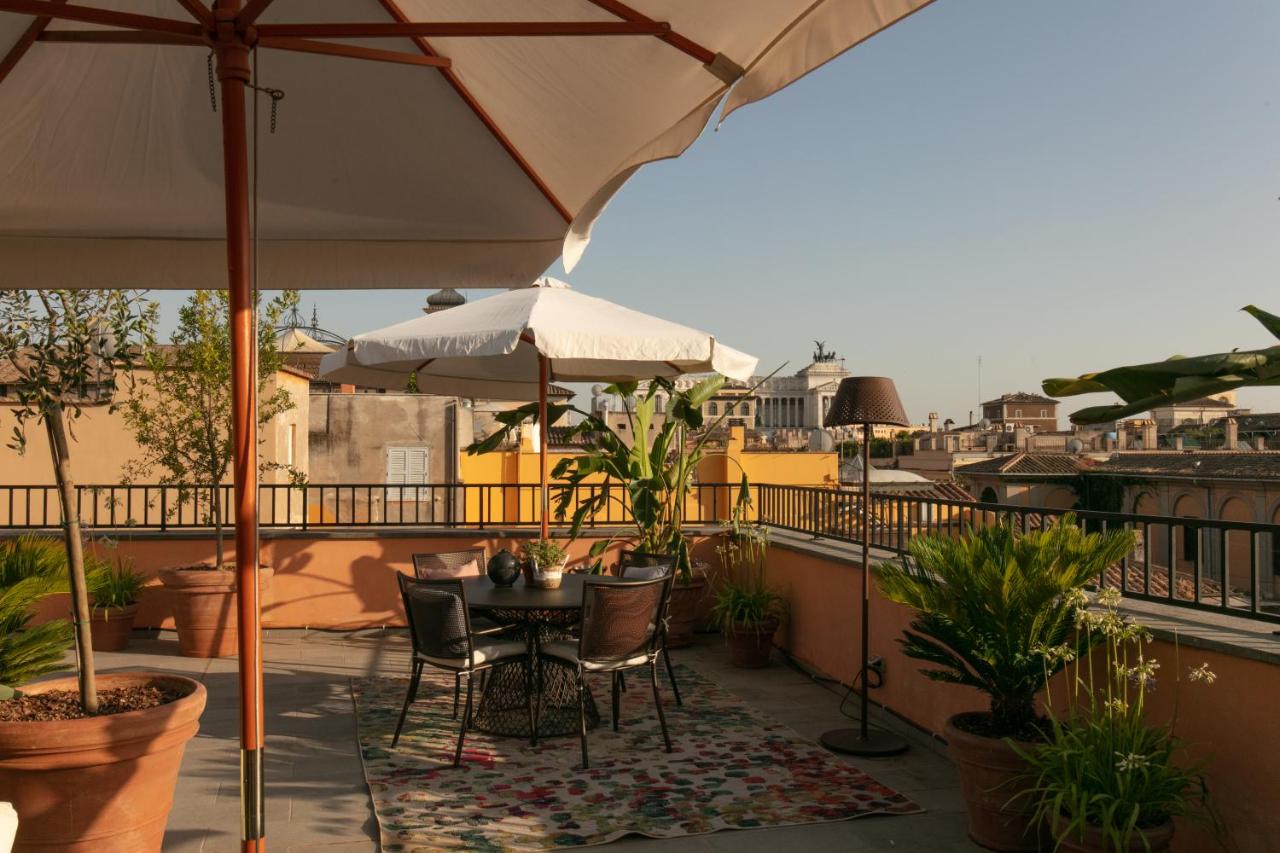
Centro Storico is Rome at its most concentrated, around the Pantheon, Piazza Navona, Campo de’ Fiori and the Trevi Fountain. It is not one neat architectural set piece. Ancient remains, Renaissance palazzi, Baroque churches, fountains, obelisks, shops and restaurants all press into the same short walks. Via del Corso gives the area its north–south spine from Piazza Venezia, while Via del Governo Vecchio, Via dei Giubbonari and Via dei Coronari keep a smaller scale. The people who live and work around Piazza della Rotonda and Via del Portico d’Ottavia share the streets with heavy visitor traffic, market traders, café staff, shopkeepers and the daily business of a city that is still lived in, not just photographed.
Stay in Centro Storico if you want to step out near Piazza Navona, cross to the Pantheon, eat around Via dei Giubbonari and walk home without planning the evening around transport. It suits first timers, culture led couples and travellers who like to edit a day as they go. It suits short stays particularly well because Piazza Venezia, Campo de’ Fiori and Trevi Fountain are easy to combine on foot. Look elsewhere if you need quiet early nights near Campo de’ Fiori, if you are driving into Rome’s ZTL restricted traffic area, or if you want a metro platform beside the hotel door.
Getting around Centro Storico is mostly a walking game. The historic core has no metro station, so think in edges: Spagna on Metro A for Piazza di Spagna, Barberini on Metro A for Trevi Fountain, Termini for Metro A/B and Roma Termini rail services, and Colosseo on Metro B for the Colosseum. Largo di Torre Argentina is the tram and bus hinge, with Tram 8 linking the centre with Trastevere. Piazza Venezia is another practical bus point. Taxis can help late at night, but narrow streets around Via del Governo Vecchio and Campo de’ Fiori can make exact drop offs awkward.
The nearby list is serious. Piazza della Rotonda gives you the Pantheon, while Chiesa di San Luigi dei Francesi near Piazza Navona adds Caravaggio without sending you across town. Galleria Doria Pamphilj sits in Palazzo Doria Pamphilj, and Museo Nazionale Romano—Palazzo Altemps is close to Piazza Navona for ancient sculpture. South and east, Largo di Torre Argentina, Teatro di Marcello, Capitoline Hill and Piazza del Campidoglio pull you toward ancient Rome. West, Ponte Sant’Angelo leads to Castel Sant’Angelo and the Tiber. North, Via di Ripetta, Via del Babuino and Via del Corso point toward Piazza del Popolo and the Pincian Terrace.
Food is one of the best reasons to base yourself around Campo de’ Fiori and the Pantheon, but choose with intent. Armando al Pantheon, Salita dei Crescenzi 31, is the classic Roman restaurant call close to Piazza della Rotonda. Salumeria Roscioli, Via dei Giubbonari 21, works for Roman dishes, wine and a serious deli mood, while Antico Forno Roscioli, Via dei Chiavari 34, covers the bakery side of the same food family. For coffee, Tazza d’Oro, Via degli Orfani 84, and Sant’Eustachio Il Caffè on Piazza Sant’Eustachio are the central names to know. Forno Campo de’ Fiori, Campo de’ Fiori 22, keeps you close to the market, and Cul de Sac, Piazza di Pasquino 73, is a good wine bar stop between Campo de’ Fiori and Piazza Navona.
For timing, Piazza della Rotonda and Piazza Navona are easier early, before about 9 a.m., while the Pantheon and Trevi Fountain can be difficult from about 10 a.m. to 7 p.m. in high season. Mid March to mid April, avoiding Easter week, and mid October to mid November are the most sensible windows. April–May and September–October are still good, but book ahead. Campo de’ Fiori, Via dei Giubbonari and Via del Governo Vecchio carry the highest night noise risk, especially when bars run late. Pickpocketing is a practical concern around Trevi Fountain, Piazza Navona, Campo de’ Fiori and busy buses, so keep bags closed.
Choose Umiltà 36 Preferred Hotels & Resorts for its Via dell'Umiltà position, good for travellers who want a polished stay between Trevi Fountain and Piazza Venezia. Choose Hotel Nazionale for Piazza Montecitorio, a composed base beside the Italian Parliament and close to the Pantheon. Choose Radisson Collection Hotel, Roma Antica for Via Delle Botteghe Oscure, well placed for Largo di Torre Argentina and Piazza Venezia. Choose Hotel Delle Nazioni for Via Poli, handy for Trevi Fountain and Barberini Metro Station on line A. Choose Hotel Castellino Roma for Via Cesare Battisti, a practical Piazza Venezia base for walkers. Choose Tree Charme Trilussa for Lungotevere della Farnesina by Piazza Trilussa, better for Trastevere evenings than for a pure Pantheon stay. Choose Hotel Residenza In Farnese for Via Del Mascherone, a 15th century building near Campo De' Fiori and Piazza Navona.


