
20 Best Luxury Hotels in Florence
Italy
Renaissance art, walkable historic streets, and Tuscan hospitality in the heart of Florence.
Prices and availability confirmed by Booking.com · No booking fees

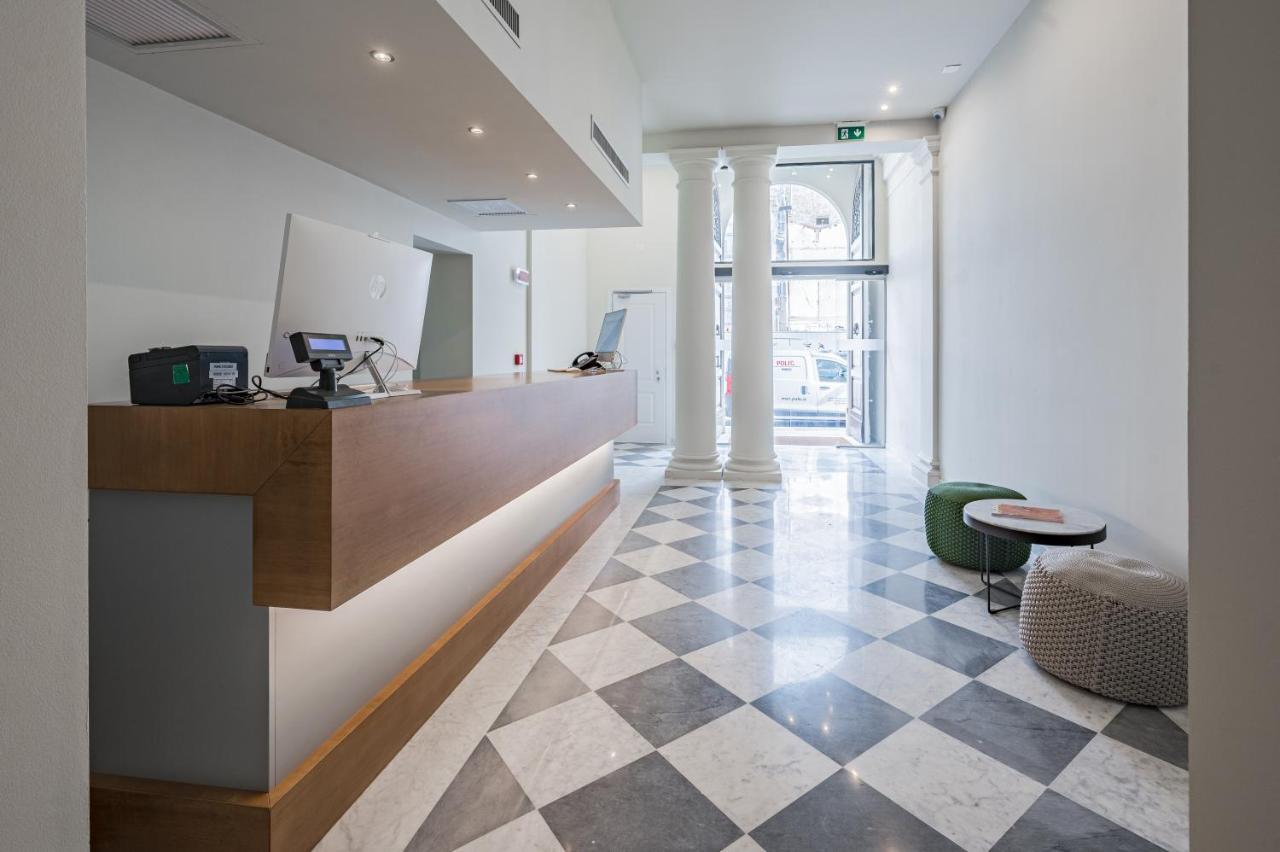
Hotel Ariele
Via Magenta 11
9.3· 2,322 reviews
Check rates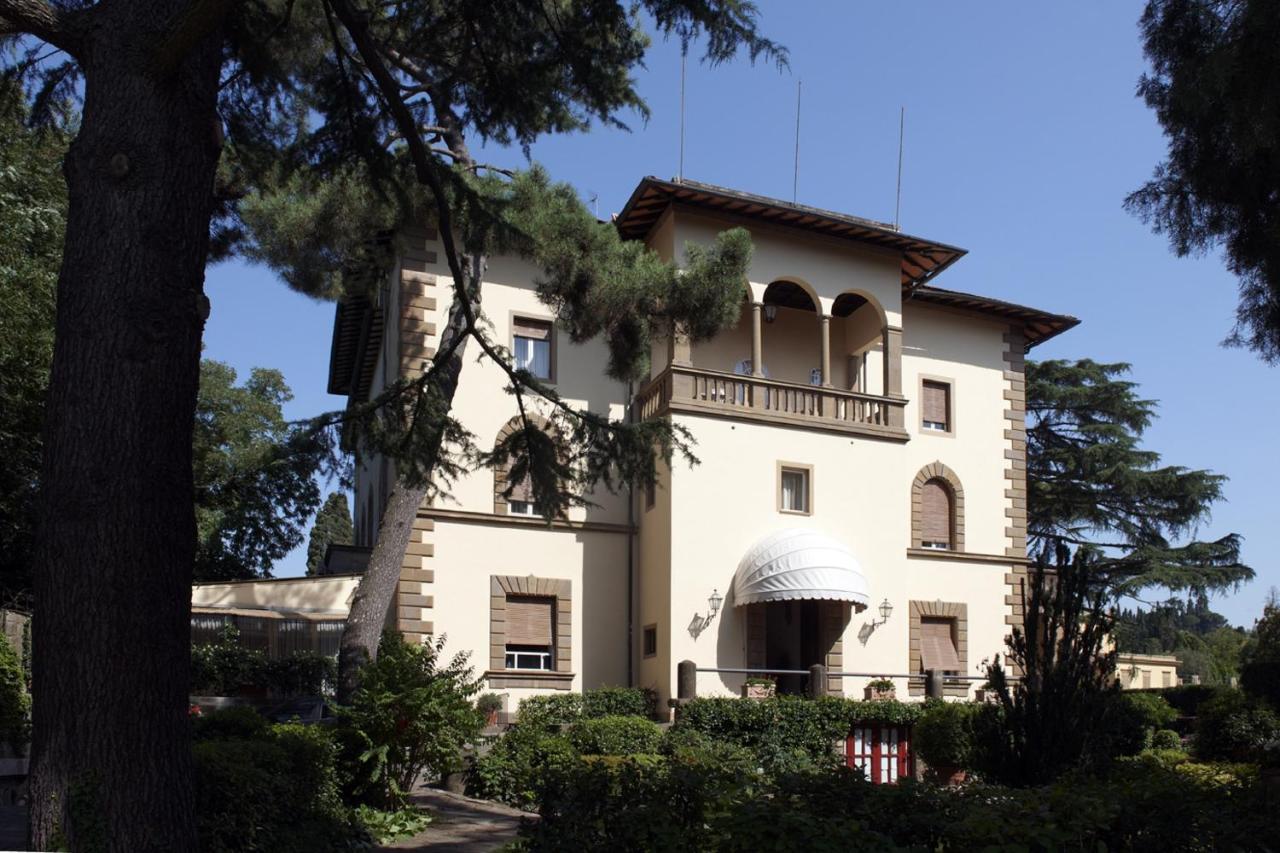
Park Palace Hotel
Piazzale Galileo 5
9.3· 1,920 reviews
Check rates
FH55 Hotel Calzaiuoli
Via Calzaiuoli 6
9.3· 1,780 reviews
Check rates
iQ Hotel Firenze
Via Cavour 88
9.2· 1,866 reviews
Check rates
Hotel degli Orafi
Lungarno Archibusieri 4
9.1· 2,123 reviews
Check rates
Hotel Berchielli
Lungarno Acciaiuoli, 14
9.1· 1,923 reviews
Check rates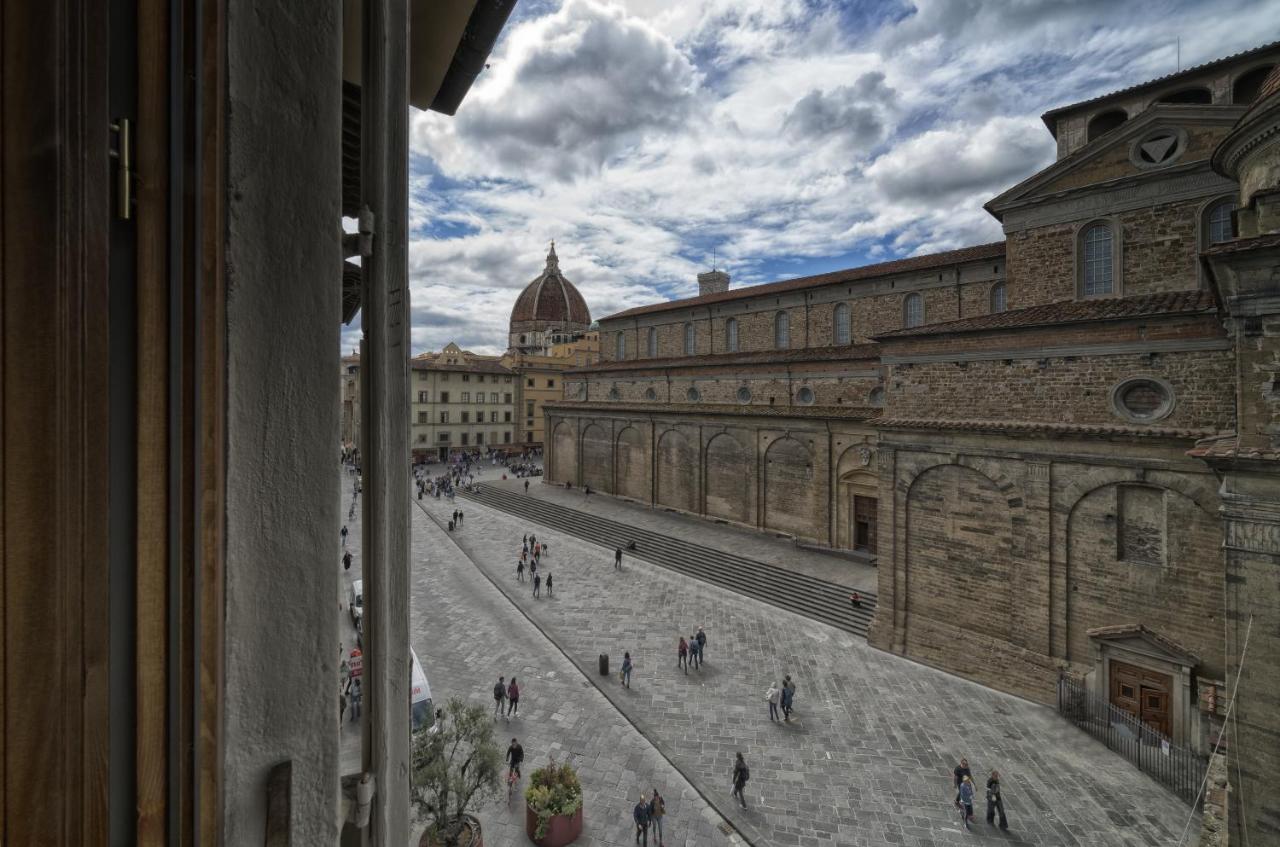
Solo Experience Hotel
Via Canto De Nelli 2
9.0· 2,363 reviews
Check rates
La Farina Apartments
Via Giuseppe La Farina 27
9.0· 2,350 reviews
Check rates

FH55 Grand Hotel Mediterraneo
Lungarno del Tempio 44
8.8· 2,951 reviews
Check rates
B&B Le Stanze del Duomo
Via Martelli 8
8.8· 5,395 reviews
Check rates
Hotel Croce Di Malta
Via Della Scala 7
8.7· 2,727 reviews
Check rates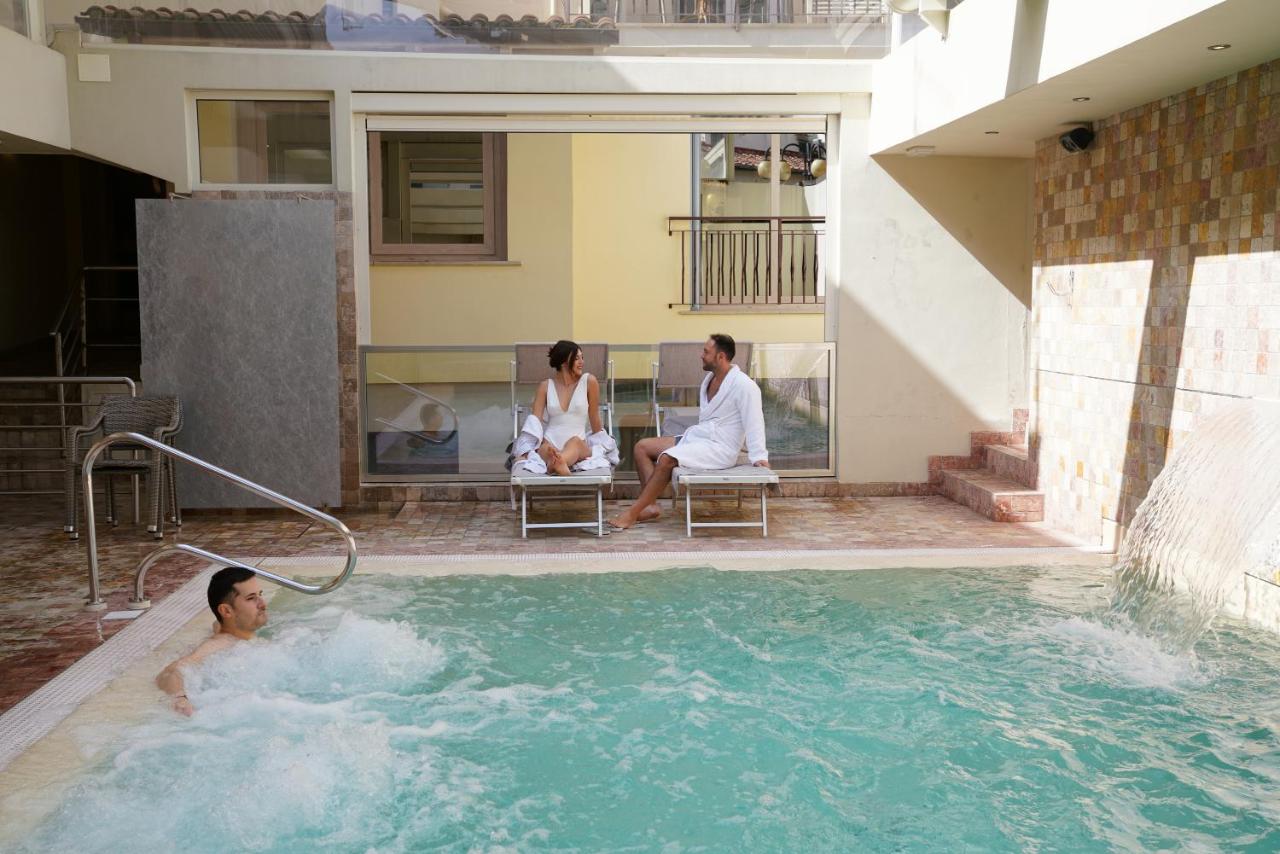
Hotel Grifone Firenze - Meetings & Spa
Via Gaetano Pilati 20/22
8.7· 2,429 reviews
Check rates
Hotel Albani Firenze
Via Fiume 12
8.7· 2,722 reviews
Check rates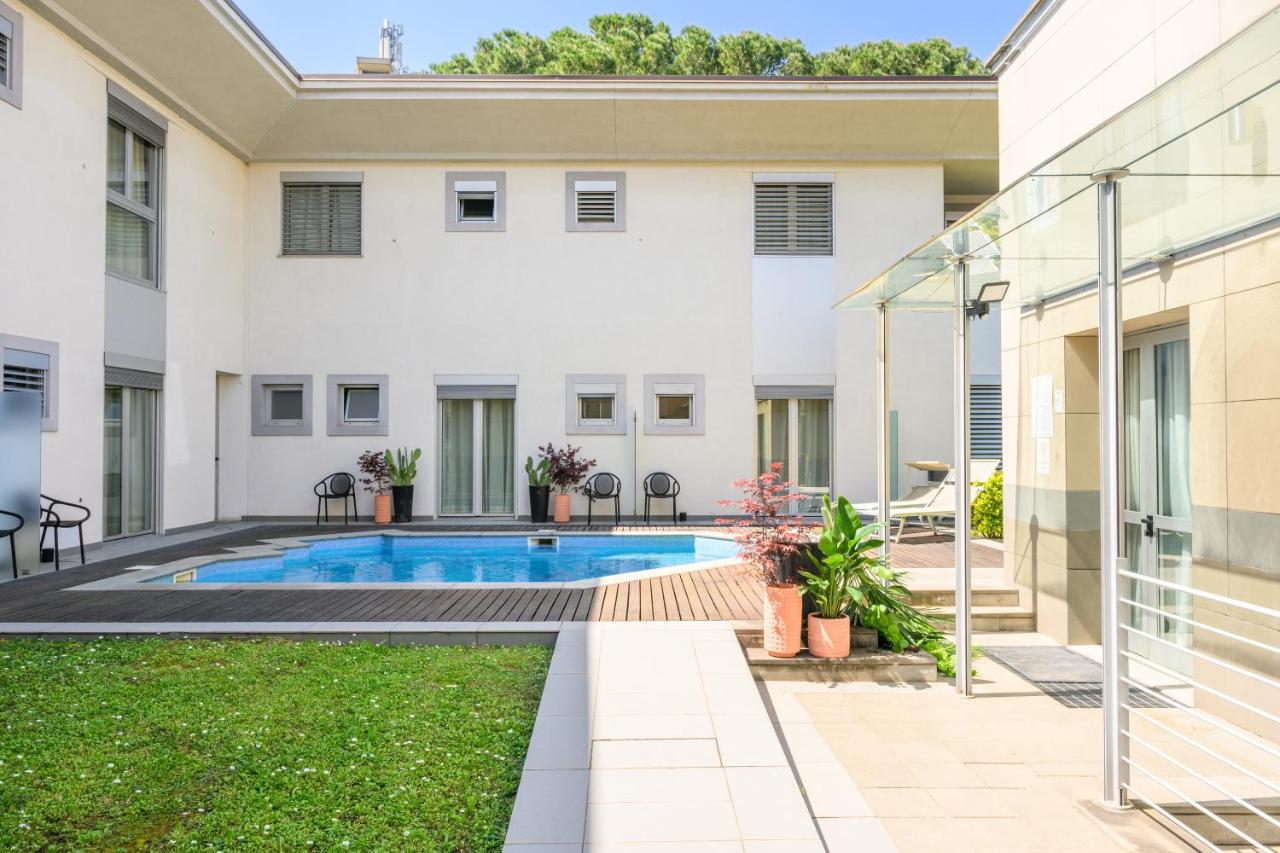
JOIVY Together Florence Urban Resort
Via Livenza 3/A
8.7· 2,909 reviews
Check rates
Grand Hotel Adriatico
Via Maso Finiguerra, 9
8.6· 2,303 reviews
Check rates
Villa Royal
Via delle Ruote 52
8.6· 1,865 reviews
Check rates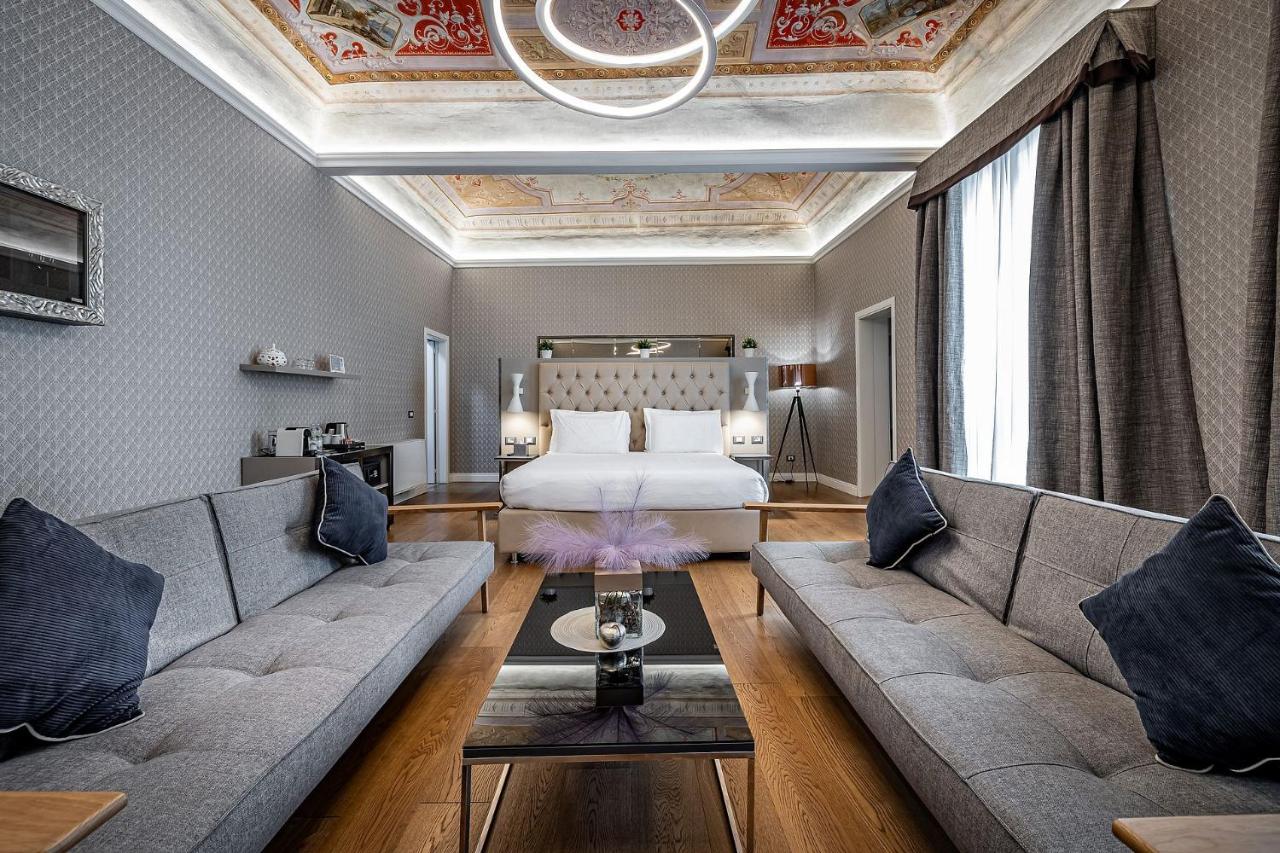
Martelli 6 Suite & Apartments
Via Martelli, 6
8.6· 2,576 reviews
Check rates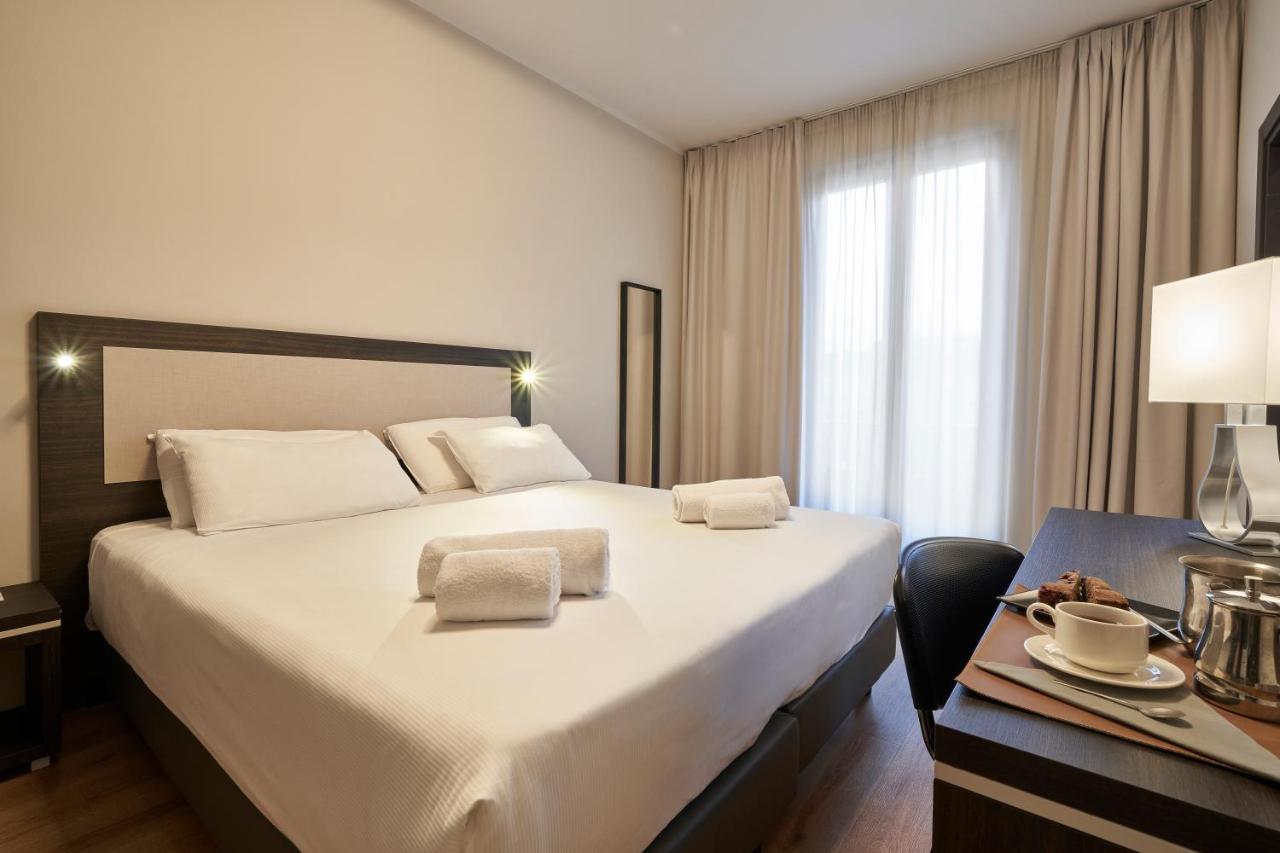
Hotel Leonardo da Vinci
via Guido Monaco 12
8.5· 1,885 reviews
Check ratesWhy stay in Florence
Where to stay in Florence
Duomo / San Giovanni / Piazza della Signoria
Duomo / San Giovanni / Piazza della Signoria is the densest sightseeing base, close to Piazza del Duomo, Palazzo Vecchio, the Uffizi Gallery and Loggia dei Lanzi. It suits first-time visitors, short stays and museum-led trips where easy walking matters more than local calm.
Best for: first visits and major sights
Trade-off: It is tourist-heavy by day, can be noisy, and central rooms are often less economical than bases farther from the monuments.
Santa Maria Novella
Santa Maria Novella is the practical central district around Firenze Santa Maria Novella station and the basilica’s marble façade. It suits travellers arriving by train, anyone with luggage, business trips and people planning rail days to Pisa, Siena or Rome.
Best for: rail access and short stays
Trade-off: The streets around the station are mixed in feel, and the area can seem less atmospheric than the tighter medieval lanes.
San Lorenzo
San Lorenzo is a central market area tied to the Medici, Mercato Centrale and leather-market stalls. It suits food-focused visitors, shoppers and travellers who want the Duomo, the Medici Chapels and the main station within manageable walking distance.
Best for: markets and central value
Trade-off: Market activity and tourist commerce make it busy by day, so it is not the calmest or most polished Florence base.
Santa Croce / Sant’Ambrogio
Santa Croce / Sant’Ambrogio sits east of the core, with the Basilica of Santa Croce, restaurants, bars and a more local-market thread around Sant’Ambrogio. It suits social trips, dining-led weekends and travellers who want central access without sleeping beside the Duomo.
Best for: restaurants and nightlife
Trade-off: Evening noise is the main compromise, especially near bar concentrations such as Via dei Benci and around Piazza Santa Croce events.
Oltrarno: Santo Spirito / San Frediano
Oltrarno: Santo Spirito / San Frediano is the south-bank choice for artisan workshops, independent restaurants, wine bars, galleries and a residential feel. It suits repeat visitors, couples and craft or food enthusiasts who still want Ponte Vecchio and Pitti Palace walkable.
Best for: local feel and food
Trade-off: You cross the Arno for many museums, and Santo Spirito can bring late noise around its square and nearby bars.
San Niccolò / San Miniato / Costa San Giorgio
San Niccolò / San Miniato / Costa San Giorgio is a quieter south-eastern edge, with hillside streets, gardens, bars and routes towards San Miniato al Monte. It suits couples and repeat visitors who want views and relative calm after central sightseeing.
Best for: views and quieter stays
Trade-off: Steep streets and hillside approaches are less convenient with heavy luggage, limited mobility or repeated museum days north of the Arno.
San Marco / Santissima Annunziata
San Marco / Santissima Annunziata sits north of the Duomo, around the Accademia area, Museo di San Marco and Piazza Santissima Annunziata. It suits museum visitors, families and travellers wanting a central base with less late-night emphasis than Santa Croce or Santo Spirito.
Best for: museums and calmer central nights
Trade-off: It is still part of the visitor-heavy centre, and it feels less residential than Oltrarno or Campo di Marte.
Our picks in Florence
- The Moon Boutique Hotel & Spa
The Moon Boutique Hotel & Spa pairs a wellness focus with sauna, hot tub and some spa-style rooms, suiting guests who plan downtime between sightseeing.
- Hotel Ariele
Hotel Ariele offers a quiet garden and courtyard breakfasts in Porta al Prato, suiting travellers who want a softer base near Santa Maria Novella.
- Park Palace Hotel
Park Palace Hotel feels like a Florentine villa retreat in the Tuscan hills, with a garden, pool and terrace breakfasts for slower stays.
- FH55 Hotel Calzaiuoli
FH55 Hotel Calzaiuoli sits on Via Calzaiuoli with rooftop-view rooms in some cases, suiting shoppers and sightseers who want immediate central access.
- iQ Hotel Firenze
iQ Hotel Firenze brings design interiors, a patio pizzeria and cocktail bar, fitness space, spa and seasonal plunge pool for a style-led city stay.
- Hotel degli Orafi
Hotel degli Orafi puts a former Augustine convent beside the Uffizi, with a roof garden bar and Cathedral views for museum lovers wanting historic character.
Getting there
Florence’s main airport is Amerigo Vespucci Airport, also called Peretola. From there, tram line T2 runs from Peretola–Aeroporto to Alamanni–Stazione and Piazza dell’Unità, close to Santa Maria Novella, with an operator journey time of about 20 minutes and frequent departures. Taxis serve the terminal and usually take about 15–20 minutes to central Florence, traffic depending; confirm any fixed fare and supplements at the rank. If you land at Pisa Galileo Galilei Airport, use the Pisa Mover to Pisa Centrale, then a regional train to Firenze Santa Maria Novella. The main railway station is Firenze Santa Maria Novella, often shortened to SMN. Firenze Rifredi and Firenze Campo di Marte also handle rail services, with local bus or taxi onward. Florence has no metro. Most visitors walk between Santa Maria Novella, the Duomo, Piazza della Signoria, the Uffizi, Ponte Vecchio and Palazzo Pitti. Trams and Autolinee Toscane buses cover longer hops. T1 serves SMN, Fortezza da Basso, Cascine and Careggi; T2 is the airport line. Urban tickets cover buses and trams for 90 minutes after validation. The Firenze Card is a 72-hour museum pass, not a transport pass.
What to see
Uffizi Gallery
The Uffizi Gallery is Florence’s headline art museum, set beside the Arno and strong on Renaissance and Italian masters, including Botticelli, Raphael and Titian. Book ahead in busy seasons.
Cathedral complex: Brunelleschi’s Dome, Giotto’s Campanile and the Baptistery of San Giovanni
Piazza del Duomo gathers the cathedral, dome, campanile and baptistery into Florence’s key architectural set piece. It anchors most first visits and repays early planning.
Galleria dell’Accademia
The Accademia in San Marco is best known for Michelangelo’s David, but it also fits neatly with nearby Museo di San Marco and Piazza Santissima Annunziata.
Ponte Vecchio
Ponte Vecchio is the medieval shop-lined bridge across the Arno, linking the north-bank centre with Oltrarno. It is busiest in the main sightseeing hours.
Pitti Palace and Boboli Gardens
Pitti Palace was a Medici grand-ducal residence and now holds several collections. Behind it, Boboli Gardens adds formal terraces, statues and fountains on the Oltrarno side.
Piazzale Michelangelo
Piazzale Michelangelo is the classic panoramic terrace, looking back to the Duomo, Palazzo Vecchio, Santa Croce and the Arno. Buses 12 and 13 help avoid the uphill walk.
Frequently Asked Questions About Florence
Similar Destinations


Browse by Feature in Florence
Find hotels with the amenities that matter most