Eixample is Barcelona drawn with a ruler, and that is its great advantage. Carrer d’Aragó, Carrer de Balmes, Carrer de València and Carrer de Mallorca cut across long blocks, while Passeig de Gràcia, Avinguda Diagonal, Gran Via de les Corts Catalanes and Passeig de Sant Joan give the district its broad scale. It was planned as the city’s 19th century expansion beyond the medieval walls, with chamfered corners and wide streets intended for light, air and movement. Today it mixes offices, residents, shops, schools, clinics and apartment buildings. Antiga Esquerra de l’Eixample feels more residential around Hospital Clínic and the University of Barcelona historic building, while Dreta de l’Eixample is more polished around Passeig de Gràcia and Rambla de Catalunya.
Stay in Eixample if you want Barcelona to feel legible from the first morning on Plaça de Catalunya or Passeig de Gràcia. It suits first timers who want Casa Batlló, Casa Milà and the Basílica de la Sagrada Família without giving up good metro links. It also works for couples, older travellers and families who prefer broader pavements and a less tangled street plan than the Gothic Quarter. Look elsewhere if you want beach life outside the door, or if you want medieval lanes rather than Cerdà’s grid. Around Gran Via, Plaça de Catalunya and Rambla de Catalunya, the convenience can come with traffic, shoppers and late evening noise.
Getting around Eixample is easy if you use the right station for the right slice of the grid. Passeig de Gràcia is the main interchange, with L2, L3 and L4 as well as Rodalies and regional trains, and it is the natural stop for Casa Batlló and La Pedrera. Diagonal, on L3 and L5, handles the upper end of Passeig de Gràcia and Avinguda Diagonal. Universitat, on L1 and L2, is useful for the southern and western blocks, while Sagrada Família, on L2 and L5, puts you by the basilica. From Barcelona–El Prat, R2 Nord reaches Passeig de Gràcia from Terminal 2, and A1 and A2 buses run to Plaça de Catalunya.
The strongest sightseeing cluster is on and around Passeig de Gràcia. Casa Batlló is about 2 minutes from Passeig de Gràcia station, Fundació Antoni Tàpies about 5 minutes, and Casa Milà, La Pedrera about 8 minutes, though station exits matter. The Illa de la Discòrdia, between Carrer d’Aragó and Carrer del Consell de Cent, gives you Casa Batlló, Casa Amatller and Casa Lleó Morera in one compact run. North east, Sagrada Família has its own metro stop and its own neighbourhood rhythm. Hospital de Sant Pau on Carrer de Sant Antoni Maria Claret pairs well with Sagrada Família. Fort Pienc brings you towards Arc de Triomf, Parc de la Ciutadella and Passeig de Lluís Companys.
For food, Eixample is stronger on dependable addresses than on market theatre alone. Cervecería Catalana on Mallorca 236 is the classic tapas and beer call near Rambla de Catalunya, while La Bodegueta on Rambla de Catalunya 100 is a vermouth and tapas standby. Ciutat Comtal on Rambla de Catalunya 18 is another easy tapas stop close to Plaça de Catalunya. Tapas 24 on Carrer de la Diputació 269 is tied to Carles Abellan, and Bar Mut on Pau Claris 192 is the wine focused option I would keep for a slower evening. Bodega Borràs on Carrer de Casanova 85, Mont Bar on Carrer de la Diputació 220 and Bar Gelida on Carrer de la Diputació 133 add range. For market eating and browsing, use Mercat de la Concepció, Mercat de Sant Antoni or Mercat del Ninot.
The best balance is April–May or September–October, when walking Passeig de Gràcia, Avinguda Gaudí and Rambla de Catalunya is usually more pleasant than in the exposed heat of July–August. Sant Jordi on 23 April brings book and rose stalls to Rambla de Catalunya, which is lovely but can make central Eixample very crowded. January–February and November–March are quieter bets, except when Mobile World Congress pushes demand across Barcelona. Primavera Sound can also affect hotel demand around late May or early June. Watch pockets and phones around Sagrada Família, Passeig de Gràcia, metro exits and crowded festival areas, and ask for a room away from Gran Via or bar heavy streets if sleep matters.
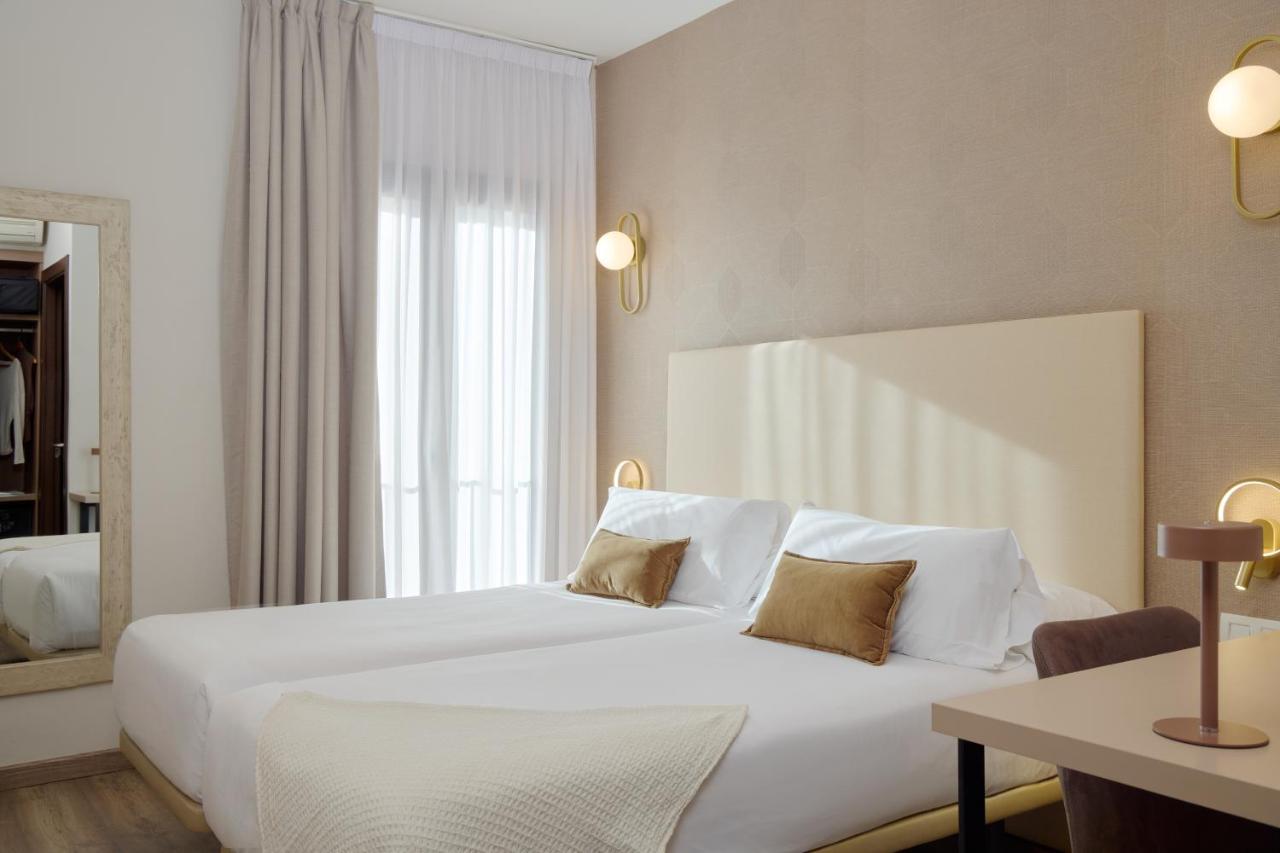
Hotel Well and Come Barcelona is for travellers who want Verdaguer Metro Station and the Sagrada Família side of Eixample close, with a boutique feel on Girona. Hostal Goya works well if you want Pau Claris and quick walks towards Plaça de Catalunya without sleeping on Passeig de Gràcia. Casp 74 Apartments is the sensible pick for apartment space on Casp, especially if you want Tetuan Metro Station and Passeig de Gràcia within easy reach. Hostal Centric suits practical travellers on Casanova who want Universitat and the Rambla close but prefer Eixample’s straighter streets.
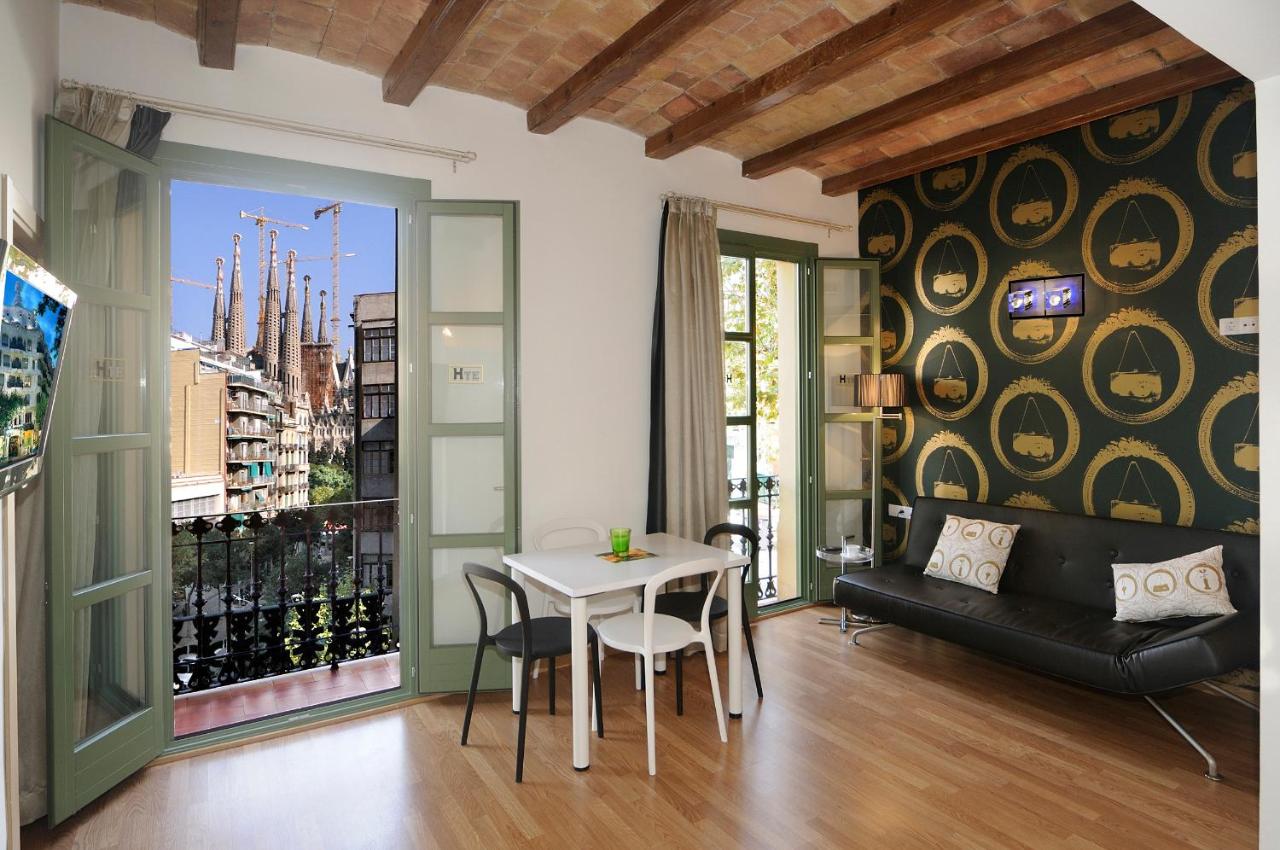
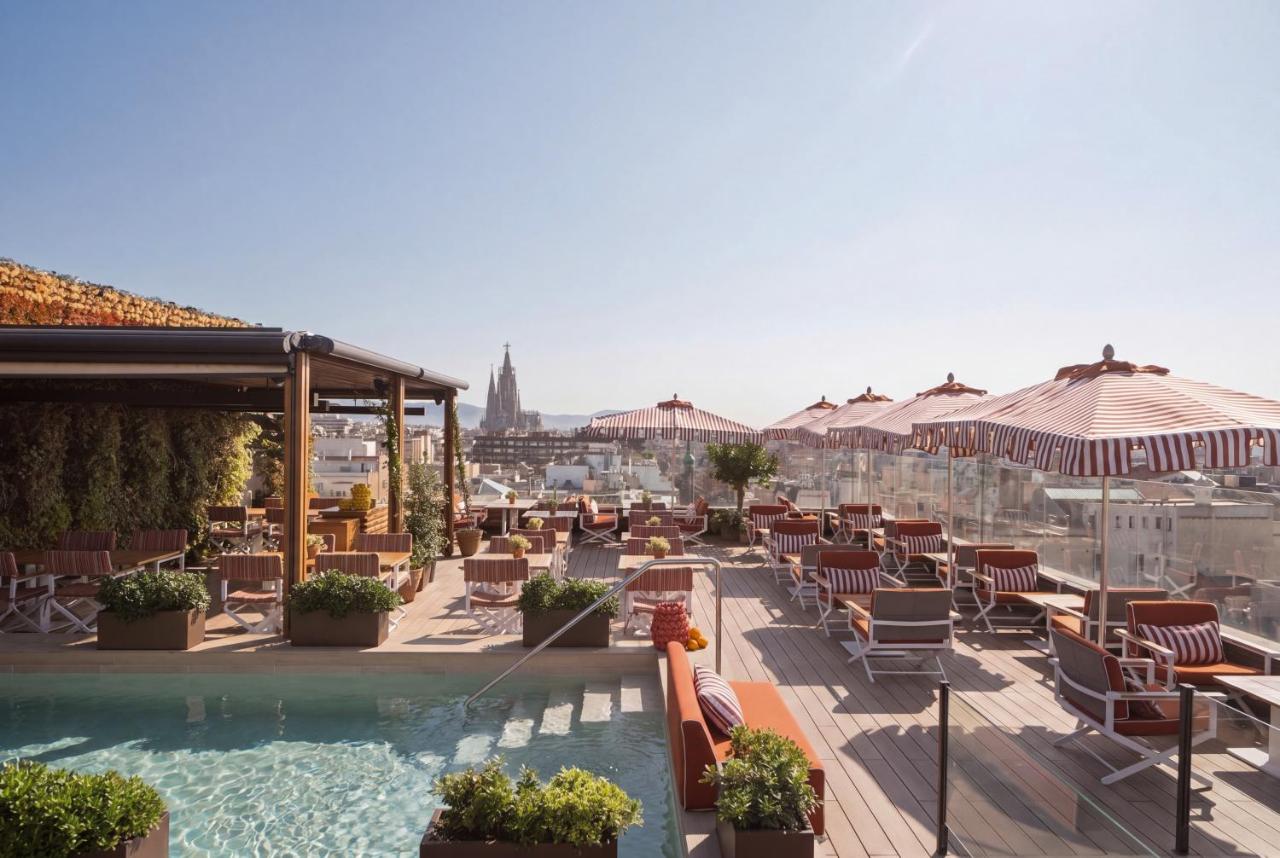
Apart Suites Hostemplo is the pick for Sagrada Família stays, set on Pasaje Gaiola near Gaudí’s basilica. Majestic Hotel & Spa Barcelona GL is the grand choice on Passeig de Gracia, close to Casa Batlló and La Pedrera. Hotel Royal Passeig de Gracia suits travellers who want Diagonal Metro Station, La Pedrera and Passeig de Gràcia all lined up outside. Casa Elliot Hotel is a smart base on Sepúlveda for Universitat Metro Station, Plaça de Catalunya and Las Ramblas.