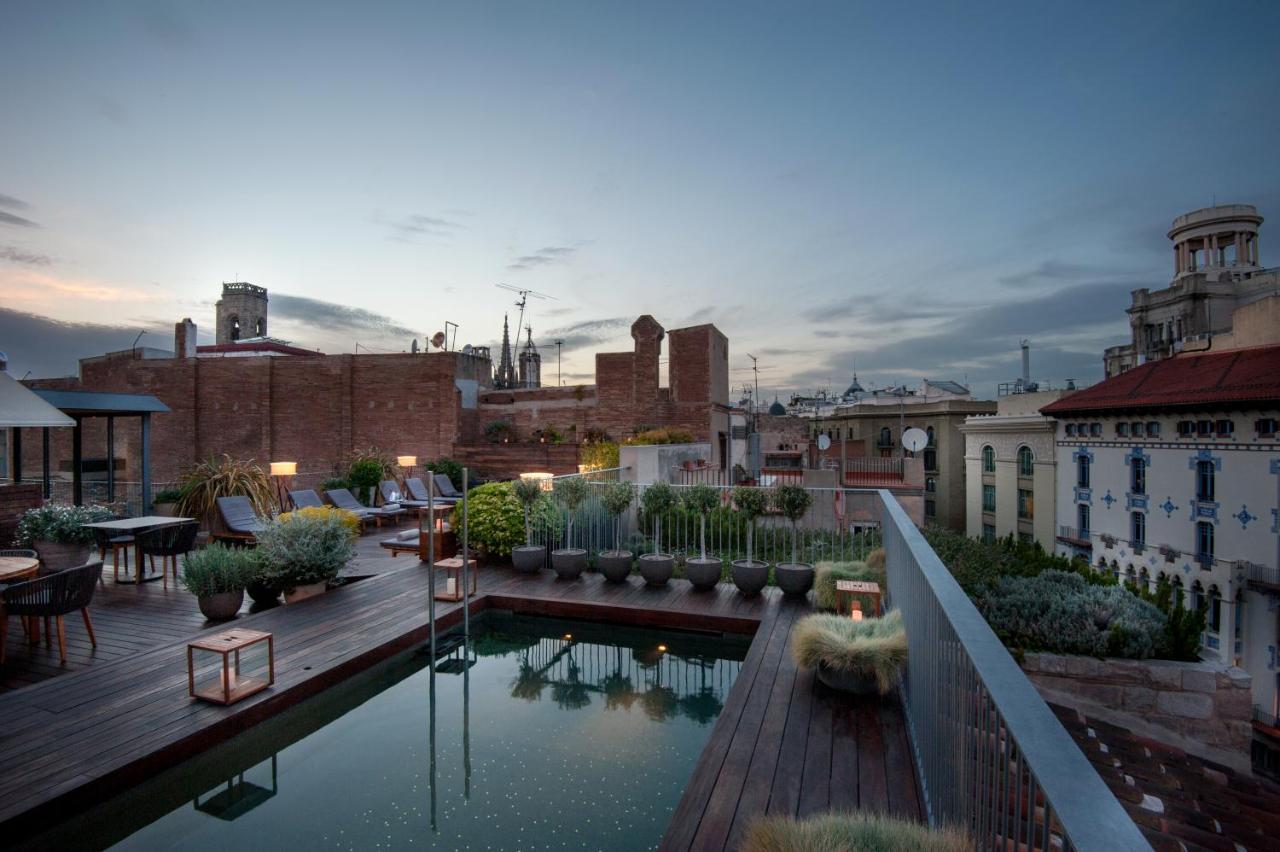
El Born is old Barcelona at close range. Carrer de Montcada shows the medieval merchant city most clearly, with former palaces now holding the Museu Picasso, Museu del Moco and galleries. Passeig del Born is the open spine, while Carrer dels Flassaders, Carrer de l’Allada Vermell and Carrer de l’Espaseria keep the tight grain of La Ribera. This is not a quiet residential pocket, and it does not pretend to be one. It is a layered quarter where the Basílica de Santa Maria del Mar, Fossar de les Moreres, El Born Centre de Cultura i Memòria and current restaurants share the same small network of streets.
Stay around Passeig del Born if you want museums, wine bars and short walks more than silence. Carrer de Montcada suits travellers who like to build a day around the Museu Picasso, the Moco Museum Barcelona and nearby galleries. Plaça de Santa Maria is good if you want the basilica and La Vinya del Senyor close by. Look elsewhere if you need calm at bedtime, easy car access, a resort mood, or wide modern pavements. Barceloneta is better for a beach led stay, while the Eixample will feel simpler for taxis and luggage.
Getting around is straightforward from Jaume I on L4, with Passeig del Born, Santa Maria del Mar and the Museu Picasso all a few minutes on foot. Barceloneta on L4 helps for the lower side of the quarter and the route toward the waterfront. Arc de Triomf on L1 is useful for Parc de la Ciutadella and the northeastern edge. Estació de França is immediately east of El Born, though it has no metro platform of its own. Plaça de Catalunya is walkable from the old city streets if you do not mind weaving through Ciutat Vella.
The best nearby sights sit in a tight cluster. Start on Carrer de Montcada for the Museu Picasso Barcelona and Moco Museum Barcelona, then cut to Plaça de Santa Maria for the Basílica de Santa Maria del Mar and Fossar de les Moreres. El Born Centre de Cultura i Memòria fills the former Mercat del Born on Plaça Comercial, with excavated remains below the market hall. Parc de la Ciutadella sits immediately east, reached via Passeig de Picasso. North of the core, Mercat de Santa Caterina on Avinguda de Francesc Cambó is a useful food stop, while Palau de la Música Catalana is just across Via Laietana in Sant Pere.
Eating and drinking is one of the main reasons to base yourself here. Cal Pep at Plaça de les Olles is the classic seafood and tapas counter. El Xampanyet at Carrer de Montcada 22 is the old cava and tapas address to know, while Bar del Pla on Carrer de la Montcada gives you Catalan tapas and wine near the Picasso Museum. Bormuth on Plaça Comercial works well by the former Mercat del Born, and Elsa y Fred on Rec Comtal is good for tapas and vermouth. For a market meal, use Cuines Santa Caterina inside Mercat de Santa Caterina. Vila Viniteca–La Teca on Carrer dels Agullers covers wine and gourmet food, and La Vinya del Senyor faces Santa Maria del Mar.
The most comfortable periods for El Born are April–June and September–October, especially if you want long walks between Carrer de Montcada, Passeig del Born and Parc de la Ciutadella. July–August brings heavier crowds, humid heat and pressure around the Museu Picasso; August can also mean temporary restaurant and bar closures. November–February is quieter, with shorter museum queues, though terraces and beach oriented plans feel less reliable. Watch your phone and wallet on Passeig del Born, Carrer de Montcada and queues near the Museu Picasso. At booking stage, check lifts, stairs, air conditioning and room orientation, because many buildings in El Born are converted historic properties.
Choose Hostal Porxos Garden for Passeig d’Isabel II, a useful edge of Born address with a garden if you want old city access without sleeping on Passeig del Born. Pension Ciudadela suits travellers who want Carrer del Comerç and Estació de França close by, with Parc de la Ciutadella nearby. Miiro Borneta is the pick for Passeig de Picasso, directly opposite Parc de la Ciutadella. Choose Mercer Hotel Barcelona for Dels Lledo 7, a Gothic Quarter base by the Roman walls when El Born and Via Laietana both matter. Andante Princesa works for Princesa and the Picasso Museum, with Jaume I nearby. Grand Hotel Central, Small Luxury Hotels is the Via Laietana choice between El Born, Barcelona Cathedral and the Gothic Quarter. Mercer House Bòria BCN suits travellers who want Boria and La Ribera’s narrow lanes. Som Nit Born is a sensible Reina Cristina base for the waterfront side.