Mayfair is the London grid of big addresses: Oxford Street to the north, Regent Street to the east, Piccadilly to the south and Park Lane to the west. The tone changes block by block. Bond Street is jewellery, watches and galleries. Mount Street is more composed, with boutiques and a residential feel. Grosvenor Square and Berkeley Square show the old estate planning, while Shepherd Market keeps a smaller, social scale. The district grew from aristocratic landholding and still feels private in places. Residents tend to be wealthy, international and discreet; embassies, private clubs, art dealers and long established hotels sit beside town houses and serviced residences around Curzon Street and Park Lane.
Mayfair suits travellers who want London polished and close at hand. If you plan to shop on Bond Street, visit the Royal Academy of Arts on Piccadilly, book dinner around Mount Street or walk into Green Park, the area works very well. It is also good for business trips where meetings cluster near Grosvenor Square, Berkeley Square or Hanover Square. Look elsewhere if you want low prices, warehouse nightlife or a looser neighbourhood rhythm. Soho is better for late bars. Marylebone can feel more local. Around Oxford Street, Regent Street and Piccadilly, Mayfair can also feel busy rather than calm.
Getting around Mayfair is simple, but do not expect a single central Tube stop. Green Park works for Piccadilly, the Royal Academy of Arts and the Buckingham Palace side. Bond Street is the natural choice for Oxford Street, Claridge’s and Grosvenor Square. Marble Arch is useful for Park Lane and Hyde Park, while Hyde Park Corner covers the Apsley House end. Oxford Circus and Piccadilly Circus serve the eastern edge and nearby Soho. The Elizabeth line at Bond Street is the key rail upgrade, especially for Heathrow Airport. For short hops from Berkeley Square to Shepherd Market or Mount Street Gardens, walking is usually the cleanest choice.
Nearby sights are unusually dense, but they are not all headline monuments. Burlington Arcade and Burlington House sit together on Piccadilly, so shopping and exhibitions combine neatly. Handel & Hendrix in London on Brook Street adds a sharper cultural note. The Faraday Museum at the Royal Institution on Albemarle Street is good if you like scientific history. Grosvenor Square has memorials and diplomatic weight, while the Allies sculpture at New Bond Street and Clifford Street is an easy pause between galleries. On the edge, Hyde Park, Green Park, Marble Arch, Apsley House and Wellington Arch make Mayfair feel more open than its hotel rates suggest.
Eating and drinking is strongest when you use streets as your map. Scott’s on Mount Street is the classic seafood name, and The Audley on Mount Street covers the pub end of the same run. H.R. Higgins on Duke Street is the coffee stop to know, while Popina on North Audley Street is useful for bakery café comfort. Noble Rot Mayfair in Shepherd Market is the wine led choice, and Mercato Mayfair on North Audley Street gives you a food hall answer in a former church. Veeraswamy on Regent Street brings long running Indian dining into the mix. The Coach and Horses on Bruton Street is the pub with the deepest local history.
For timing, Mayfair is easiest in late April to early June or September to October, when Green Park walks and Royal Academy of Arts visits feel practical without peak summer pressure. January–March and November are better bets for quieter streets and sharper hotel value, though Piccadilly and Bond Street never go completely quiet. Watch the calendar for London Marathon weekend, Chelsea Flower Show week, London Fashion Week, Christmas shopping and large Hyde Park events. Noise varies by exact room. Ask about exposure to Piccadilly, Berkeley Street, Park Lane, Oxford Street, Regent Street, Shepherd Market, restaurants and service areas before you confirm.
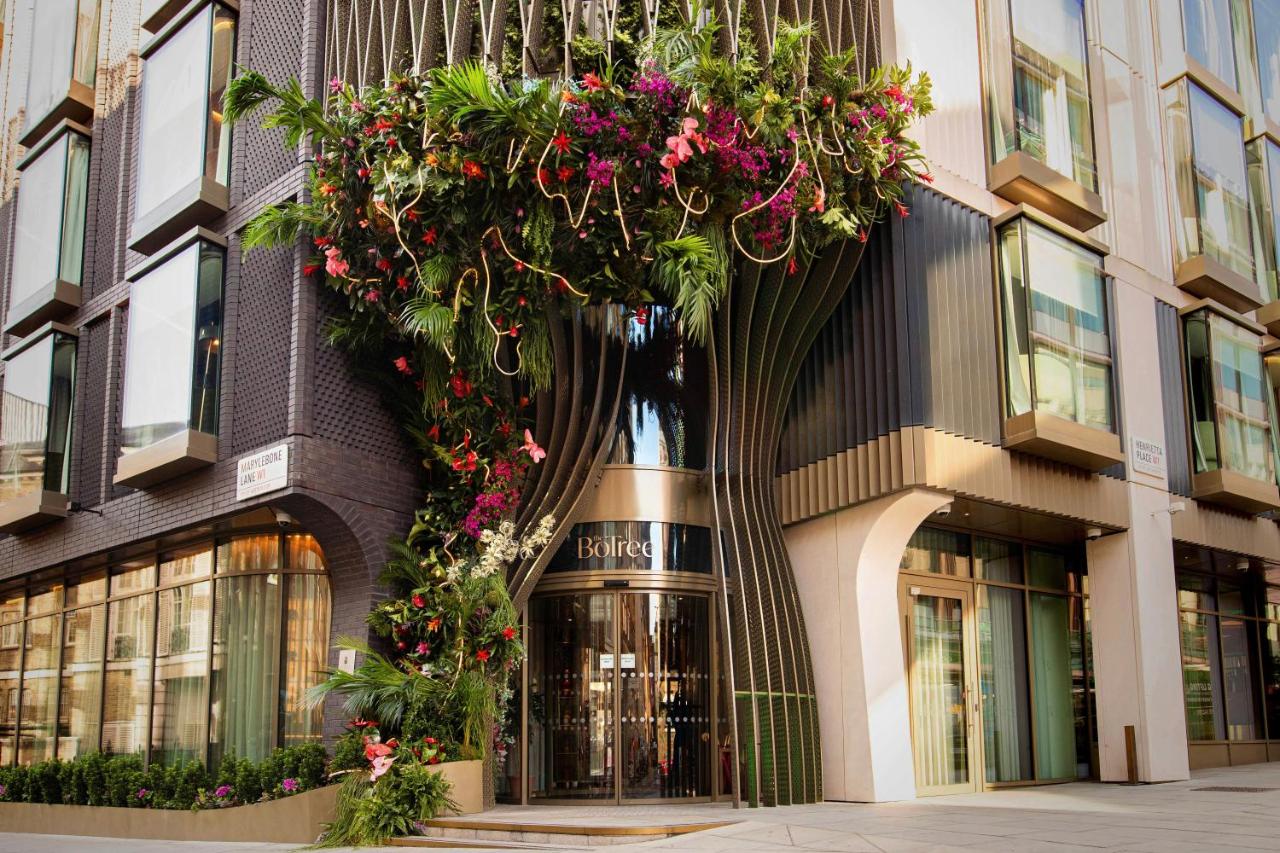
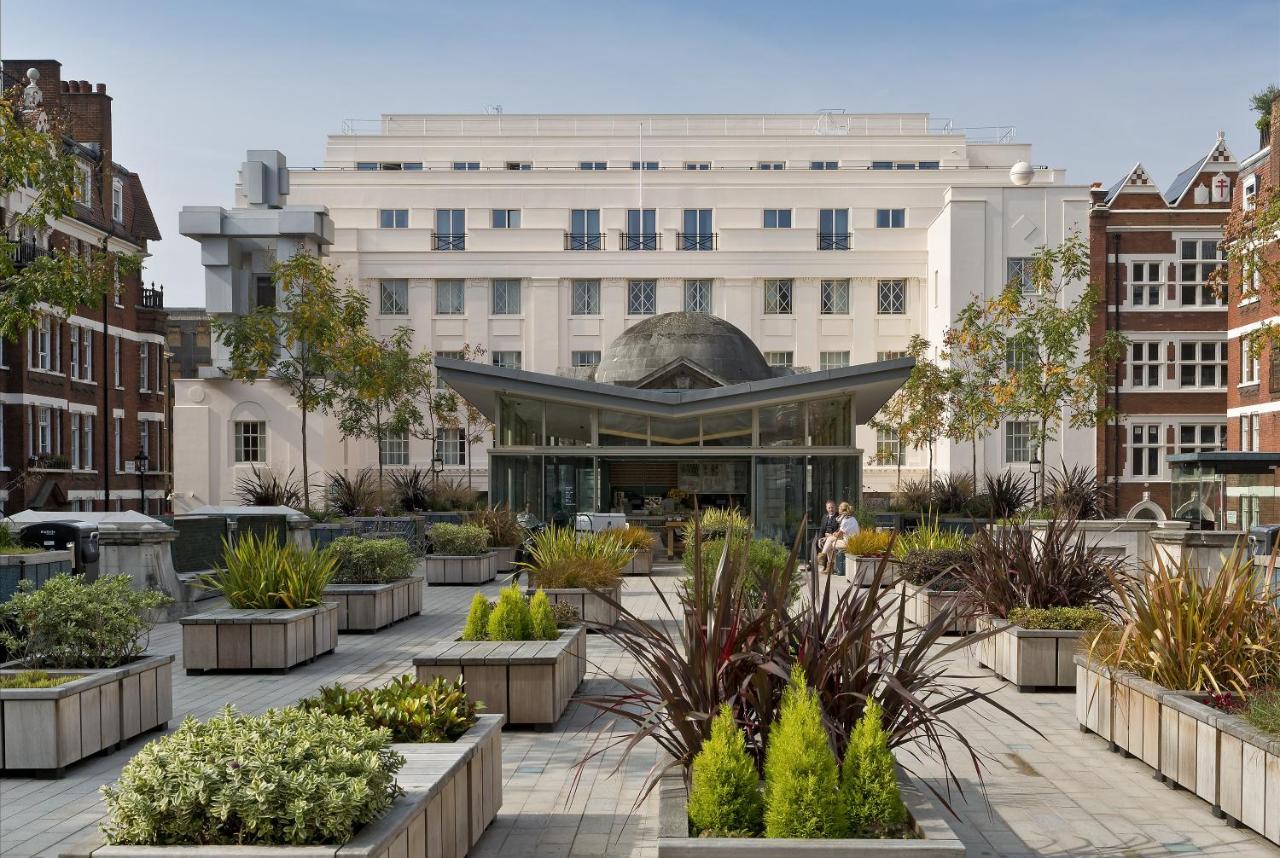
Choose The Beaumont Mayfair for Balderton Street and Brown Hart Gardens, where Art Deco character gives the stay a defined point of view. Choose The Chesterfield Mayfair for Charles Street, just off Berkeley Square, if you want traditional Mayfair without feeling remote. Choose 1 Hotel Mayfair for Berkeley Street, close to Green Park and Piccadilly, when access matters most. Choose The BoTree London, Curio Collection by Hilton for Marylebone Lane, a handy northern edge near Oxford Street. Choose The Athenaeum Hotel & Residences for Piccadilly and the Green Park side of Mayfair. Choose The Biltmore Mayfair for Grosvenor Square, especially if the square itself is your anchor. Choose Arlington House Apartments for Arlington Street and Green Park when a residence style base makes sense. Choose Karma Sanctum Soho Hotel for Warwick Street if you want Mayfair access with Soho close by.