Innere Stadt is Vienna’s 1st district and the old walled town, now wrapped by the Ringstrasse. Around Stephansplatz, St. Stephen’s Cathedral gives the area its clearest centre of gravity, while Graben, Kohlmarkt and Kärntner Straße carry the polished commercial life of the city. Move into Blutgasse, Schönlaterngasse or the lanes around Fleischmarkt and the scale changes fast: narrower streets, older plots, less theatre. This is not a normal residential quarter. It is a working core where government offices, churches, museums, luxury shops, coffeehouses, restaurants and hotels share the same few streets. People do live here, but visitors, office workers, shoppers and cultural crowds set much of the daily rhythm.
Innere Stadt suits travellers who want Vienna to be simple from the first morning. If you plan to spend time at the Hofburg, the Albertina, the Vienna State Opera, St. Stephen’s Cathedral or the Spanish Riding School, basing yourself near Stephansplatz or Herrengasse cuts out friction. It also works well for coffeehouse days on Herrengasse, Kohlmarkt and Kärntner Ring. Look elsewhere if you want a cheaper, more residential base, or if late night noise worries you. The Bermuda Triangle around Schwedenplatz, Seitenstettengasse, Rabensteig and Judengasse can be lively on weekend nights, and the main pedestrian routes around Graben can feel crowded.
For transport, pick your edge of Innere Stadt carefully. Stephansplatz on U1 and U3 is the default for St. Stephen’s Cathedral, Graben and Kärntner Straße. Karlsplatz, with U1, U2 and U4, is better for the State Opera, Albertina, Musikverein and the southern Ring. Herrengasse on U3 is useful for the Hofburg, while Schwedenplatz on U1 and U4 serves the Danube Canal side. Stubentor on U3 works for Stadtpark, and Schottentor on U2 covers the northern Ring. From Wien Mitte–Landstraße, U3 brings you towards the centre; from Wien Hauptbahnhof, U1 runs towards Stephansplatz.
The nearby sights are the reason to pay for this postcode. From Singerstraße or Schulerstraße, St. Stephen’s Cathedral and Stephansplatz are the daily reference points. Westwards, Graben and Kohlmarkt lead to Michaelerplatz, the Looshaus and the Hofburg. Around the Ringstrasse, the Vienna State Opera, Burgtheater, Parliament, Rathaus, Volksgarten and Burggarten frame the district’s imperial and civic side. Across Maria Theresien Platz sit the Kunsthistorisches Museum Vienna and Naturhistorisches Museum Vienna. For a quieter pause, Judenplatz, Franziskanerplatz and Hoher Markt add sharper historical texture than another loop through Kärntner Straße.
Eating and drinking can be classic, formal or very quick. Griechenbeisl at Fleischmarkt 11 is one of the old names, while Figlmüller Wollzeile at Wollzeile 5 is firmly tied to schnitzel. Plachutta Wollzeile is the obvious address for tafelspitz, and Zum Schwarzen Kameel on Bognergasse 5 works for Austrian food, wine and open faced sandwiches. For coffee and cake, Demel on Kohlmarkt 14, Café Sacher on Philharmoniker Strasse 4, Café Hawelka on Dorotheergasse 6 and Café Prückel on Stubenring 24 are all part of the established circuit. Café Central on Herrengasse 14 should be checked before you go because one source reports a renovation closure with reopening scheduled for winter 2026. Joseph Brot on Naglergasse 9 and Wein & Co Stephansplatz on Jasomirgottstrasse 3–5 add practical stops.
The best all round seasons for Innere Stadt are late April to June and September to early October, when walking between Stephansplatz, the Hofburg and Karlsplatz is usually easier than in peak summer. July and August bring heavy demand around Kärntner Straße, Graben and the State Opera, though some local businesses may close during August. December is atmospheric but pressured, especially around Stephansplatz, Am Hof and Rathausplatz Christmas markets. January and February can be calmer, but the Vienna ball season and the Vienna Opera Ball affect demand on certain dates. Keep valuables secure around Stephansplatz and crowded market areas, and confirm parking access before driving into the 1st district.
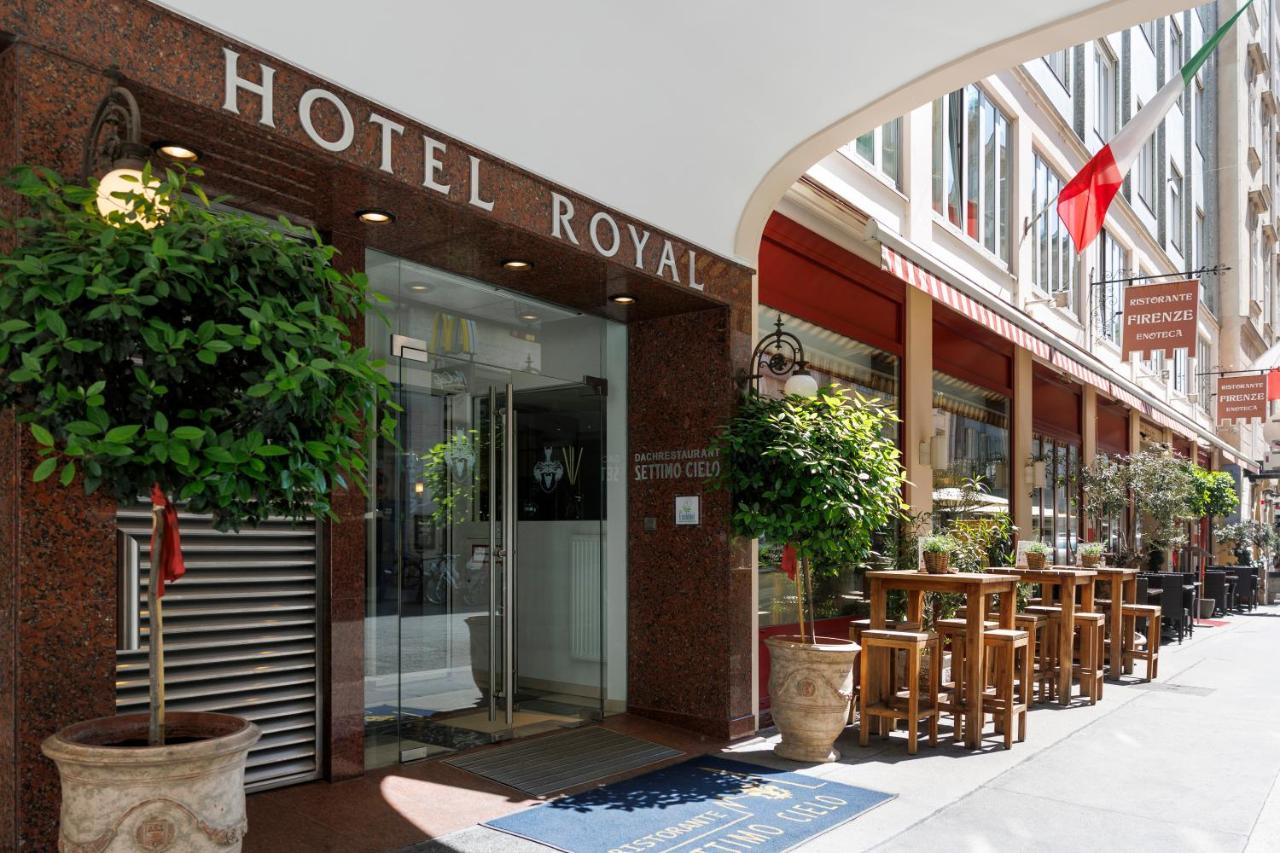
Choose The Leo Grand for Bauernmarkt and Graben, a polished luxury base on the old town grid. Choose Boutique Hotel Das Tigra for Tiefer Graben, where a quieter street still keeps Herrengasse and the Hofburg close. Choose Hotel Am Parkring for a Ringstrasse base opposite Stadtpark, good for guests who want the eastern edge of the centre. Choose Hotel Royal for Singerstraße, right by St. Stephen’s Cathedral and the Graben–Kärntner Straße axis. Choose O11 Boutique Hotel Vienna for Opernring, best when the Vienna State Opera is the anchor of the trip. Choose Almanac Palais Vienna for Parkring, a grander stay on the Ringstrasse side of Innere Stadt. Choose Hotel Domizil for Schulerstraße, a straightforward old town address close to Stephansplatz. Choose Hotel Capricorno for Schwedenplatz, useful for the Danube Canal side and quick metro access.