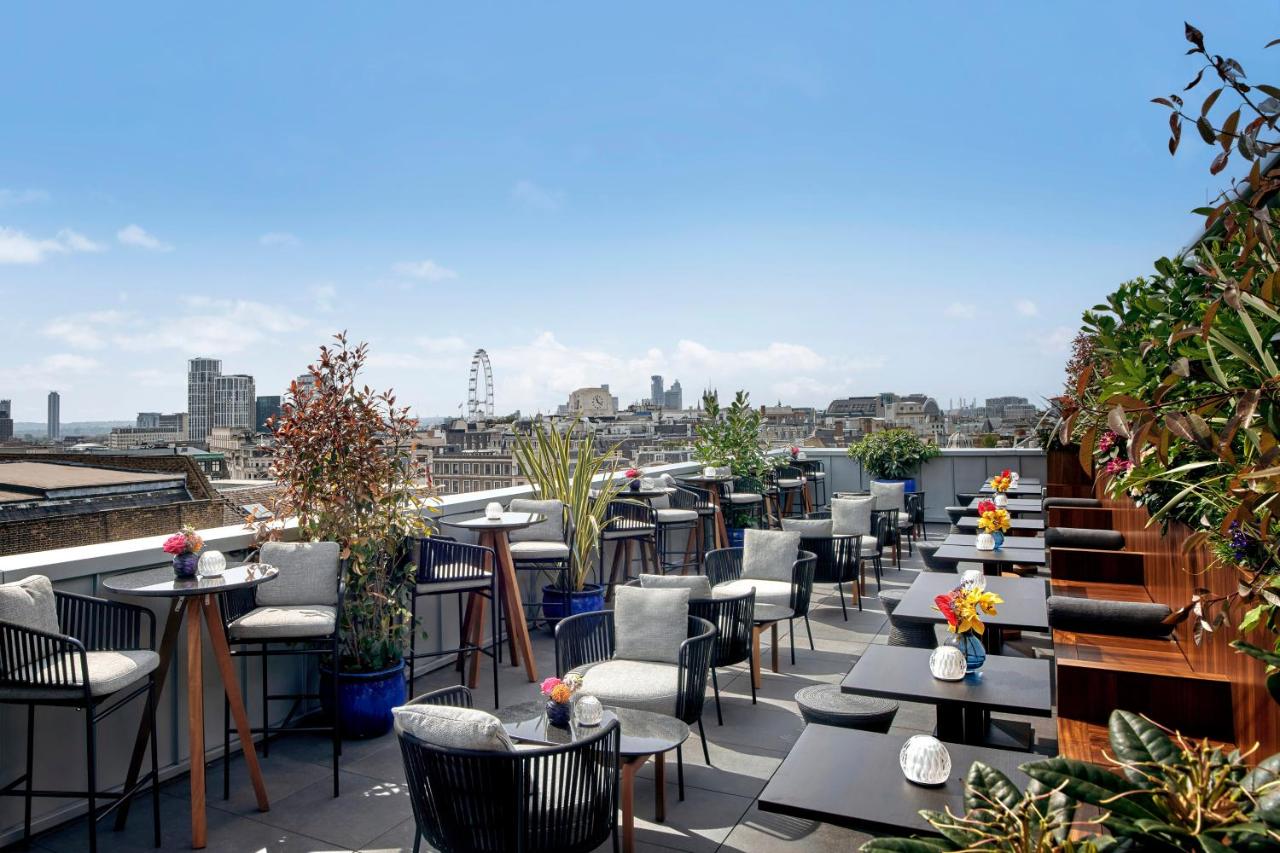
Covent Garden Piazza is the clue to the whole area: a planned seventeenth century square, a former wholesale produce market, and now one of London’s most concentrated theatre, shopping and dining districts. The Covent Garden Market Building, Apple Market and Jubilee Market keep the trading memory alive, though today the goods are more likely to be crafts, gifts, fashion and food than fruit and vegetables. Around Bow Street, the Royal Opera House gives the district its cultural weight. Around St Paul’s Church on Bedford Street, the Actors’ Church underlines the same point. It feels less residential than many London neighbourhoods; the lasting rhythm comes from theatre staff, shop workers, restaurant teams, office commuters, performers and visitors sharing the same compact grid.
Covent Garden suits travellers who want London close, walkable and full of options after dark. If your plans revolve around the Royal Opera House, Theatre Royal Drury Lane, Leicester Square, the Strand or Trafalgar Square, staying here cuts out a lot of cross town travel. It is also strong for first time visitors who like to step out to shops on Long Acre, cafés near Neal’s Yard, and galleries around Trafalgar Square without decoding the city each morning. Look elsewhere if you need calm side streets, easy driving, or a cheaper base. The Piazza, Long Acre and Leicester Square can feel pressed at peak times, especially when theatres empty and market crowds overlap.
For transport, Covent Garden station on the Piccadilly line is the closest Tube stop to the Covent Garden Market Building, but it is small, lift based and can back up. Leicester Square station on the Piccadilly and Northern lines is often the smoother choice, especially with luggage or at busy times. Charing Cross links the Bakerloo and Northern lines with National Rail, while Holborn gives access to the Central and Piccadilly lines. Embankment adds the Bakerloo, Circle, District and Northern lines near the river. Buses run on surrounding streets, including routes 9, 59, 98, 172 and 188, but the area itself rewards walking more than hopping between stops.
The nearby list is unusually strong. The London Transport Museum sits on Wellington Street by Covent Garden Piazza, while the Bow Street Police Museum is close to the Royal Opera House. The Courtauld Gallery at Somerset House is on the Strand, and Sir John Soane’s Museum is over by Lincoln’s Inn Fields. The British Museum on Great Russell Street is about 10 minutes on foot, depending on your exact start point. Trafalgar Square, the National Gallery and the National Portrait Gallery sit to the west, with Leicester Square about 5 minutes away. Cross south and Waterloo station and the South Bank are about 20 minutes on foot via Waterloo Bridge.
Eating and drinking are easy, but choosing well matters. For tradition, Rules at 35 Maiden Lane is the grand old Covent Garden name, while The Ivy at 1–5 West Street is tied to the theatre district. The Punjab at 80 Neal Street, Mon Plaisir at 19–21 Monmouth Street and Rock & Sole Plaice at 47 Endell Street give the area a useful spread beyond glossy dining rooms. For coffee and bakery stops, look to Monmouth Coffee Company in Covent Garden, Bageriet in Seven Dials, The Barbary Next Door in Neal’s Yard and Abuelo at 26 Southampton Street. For a drink, Le Beaujolais at 25 Litchfield Street, Casanova & Daughters in Neal’s Yard, Gordon’s Wine Bar near Charing Cross and the Strand, and The Lamb & Flag on Rose Street are the names I would keep on a shortlist.
Timing changes the Covent Garden experience. Late April–June and September–October usually give the best balance of weather, hotel choice and manageable crowds, with Tuesday–Thursday calmer than weekends. July–August brings more street performance energy around the Piazza, but Saturday afternoons can be hard work. November–December adds Christmas lights, shopping and West End demand, so book theatre seats and restaurants early if the Royal Opera House or Theatre Royal Drury Lane is central to the trip. Light sleepers should be careful around the Piazza, Long Acre, Leicester Square, pubs and theatre exits. Ask for a side street or courtyard facing room, and confirm air conditioning, windows and soundproofing rather than assuming an older building will be quiet.
For the cleanest Trafalgar Square and Covent Garden split, choose Page8, Page Hotels on Saint Martin’s Place. For a Leicester Square base with serious West End energy, The Londoner is the polished choice. For Shaftesbury Avenue and Theatreland, Montcalm Piccadilly Townhouse, London West End puts you close to the evening crowd without losing Covent Garden access. For Kingsway and a practical edge to the district, The Lincoln Suites suits travellers who like an aparthotel style stay near Holborn and Covent Garden.
For Great Queen Street and the Royal Opera House side of the map, Middle Eight Covent Garden is the grown up central pick. For Seven Dials and Mercer Street, Radisson Blu Hotel, London Mercer Street works well for shoppers, theatre goers and short West End breaks. For St Martin’s Lane and fast access to Trafalgar Square, St Martins Lane London is the design led choice on the western edge of Covent Garden. For Russell Street by the Piazza, Hotel AMANO Covent Garden is the lively boutique option closest to the market circuit.